Showing 1–12 of 32 results

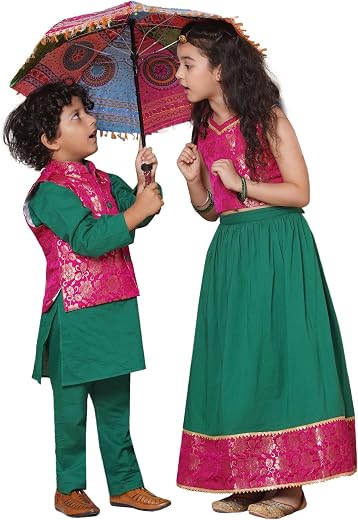

AJ DEZINES Siblings Matching Outfits Bhai Behen Banarasi Printed Boys Kurta Set & Girls Lehenga Choli For Kids

AJ DEZINES Siblings Matching Outfits Bhai Behen Boys & Girls Kurta Set For Kids

AJ DEZINES Siblings Matching Outfits Cotton Floral Print Bhai Behen Boys Kurta Set & Girls Cord Set for Kids |Kids Ethnic Wear |Traditional Festive Rakhi Outfit

AJ DEZINES Siblings Matching Outfits Cotton Floral Print Bhai Behen Boys Kurta Set & Girls Cord Set for Kids |Kids Ethnic Wear |Traditional Festive Rakhi Outfit
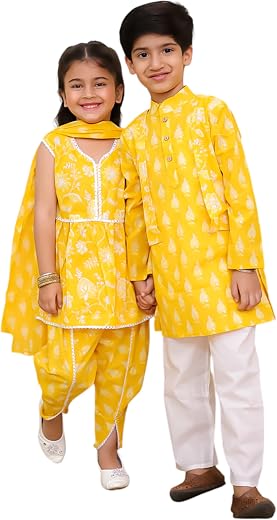
AJ DEZINES Siblings Matching Outfits Cotton Floral Print Bhai Behen Boys Kurta Set & Girls Kurta Sharara Set For Kids | Ethnic Wear | Traditional Rakhi Outfit

AJ DEZINES Siblings Matching Outfits Cotton Leheriya Print Bhai Behen Boys Kurta Set & Girls Kurta Sharara Set For Kids | Ethnic Wear | Traditional Rakhi Outfit |
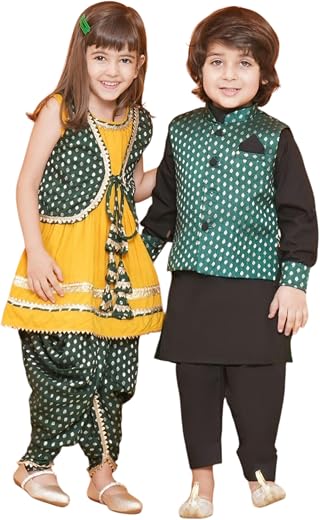
AJ DEZINES Siblings Matching Outfits Cotton Poly Chanderi Print Bhai Behen Blue Boys Kurta Set & Girls Kurta Sharara Set Kids |KidS Ethnic Wear |Traditional Festive Rakhi Outfit

AJ DEZINES Siblings Matching Outfits Cotton ZigZag Print Bhai Behen Boys Kurta Set & Floral Girls Lehenga Choli Set for Kids | Ethnic Wear | Traditional Rakhi Outfit

baby wish Raksha Bandhan Baby Unisex Bodysuits Newborn Romper & Boys Regular Fit T-Shirt and Romper Combo Brother And Sister Dinosour Print Combo
baby wish Raksha Bandhan Baby Unisex Bodysuits Newborn Romper & Boys Regular Fit T-Shirt and Romper Combo Brother And Sister Dinosour Print Combo

baby wish Raksha Bandhan T-Shirt for Boys and Girls T-Shirt Raksha Bandhan Brother Sister Matching T-Shirts Short Sleeve top Clothes -Big Brother Print
Brother and Sister Gift Ideas: Practical Picks for Indian Kids
Kids often outgrow toys quickly, leaving parents wondering what to gift. You want presents that are useful and appreciated in an Indian household, right? This guide helps you choose practical gifts for siblings, ensuring your money is well-spent and avoiding clutter. You’ll find ideas that promote shared learning and fun.
Why We’re Actually Obsessed with Rakhi and Bhai Dooj in India
You know, these festivals aren’t just about tying a thread or putting a *tilak* on your brother’s forehead. They’re deeply woven into the fabric of Indian family life, creating memories that last a lifetime. For Indian kids, these aren’t just holidays; they’re experiences shaping their understanding of family bonds, protection, and unconditional love.
The real deal about that brother-sister bond during festivals
These festivals truly highlight the unique connection siblings share. You see siblings, sometimes squabbling all year, come together with genuine affection. It’s a special time to acknowledge that unbreakable, supportive bond, making it extra meaningful for everyone involved.
Why picking the right Rakhi gift doesn’t have to be a headache
Finding that perfect gift can feel like a quest, right? You want something thoughtful, useful, and something they’ll actually appreciate. It doesn’t have to be a huge expense or a wild goose chase. Think about your child’s personality and their current interests. Does your sister love art? Maybe a high-quality sketchpad and some professional pencils would be ideal. Is your brother obsessed with space? A cool astronomy book or a small telescope could spark his curiosity even further. The thought behind the gift always matters more than the price tag.
Keeping traditions alive without going overboard on the budget
Celebrating these traditions beautifully doesn’t mean emptying your wallet. You can absolutely create memorable experiences without spending a fortune. It’s about being smart and creative. Consider DIY gifts – a handmade card, a personalized photo frame, or even baking their favorite cookies. These thoughtful gestures often hold more sentimental value than store-bought items. Focus on quality time together, perhaps a special meal at home or a fun outing to a local park, to truly celebrate the spirit of the festival.
Why these bonding products are honestly a game changer for parents
You’re probably thinking, “Another toy? My house is already overflowing!” But these aren’t just any toys; they’re strategically chosen tools designed to help your kids connect, collaborate, and even calm down. Imagine a quiet afternoon where the squabbling has been replaced by shared laughter – that’s the power we’re talking about. These practical picks aren’t about adding clutter; they’re about investing in peaceful family dynamics.
My take on reducing that annoying sibling rivalry
Finding common ground for your kids can feel like a quest, right? These practical gifts offer a shared focus, giving them a reason to work *together* instead of against each other. It’s about creating those little pockets of peace.
How shared play actually helps them stop fighting for five minutes
Watching your little ones actually play together, without a constant stream of “Mine!” or “No, *I* want that!” is a parenting win. Shared play activities, especially those requiring cooperation, redirect their energy from conflict to creation. They learn to compromise. Many parents in India tell me how a simple board game or a joint art project can transform a tense afternoon. Suddenly, the focus shifts from individual desires to a collective goal – winning the game, or completing the drawing. This isn’t magic, it’s psychology: shared experiences build positive associations and reduce the perceived need for competition. It’s like a mini-negotiation training session, but way more fun.
Building memories that aren’t just about the toys
Think back to your own childhood. What do you remember most? Probably not every single toy, right? You remember the laughter, the shared secrets, the feeling of belonging. These gifts provide opportunities for those priceless moments. These practical gifts aren’t just about what they *are*, but what they *do*. They create the stage for collaborative storytelling, joint problem-solving, and endless giggles. You’re not just buying a game; you’re investing in shared adventures and the kind of sibling bond that truly lasts a lifetime. These are the moments that truly stick.
Is it educational or just fun? Why you need a bit of both
Parents often feel the tug-of-war between gifting something purely for enjoyment and choosing items with a strong learning curve. You want your children to grow, of course, but you also want them to experience the sheer joy of play. Striking the right balance is key, especially when you’re looking for gifts that both a brother and sister will genuinely enjoy and benefit from. It’s not about one or the other; it’s about finding gifts that cleverly weave education into delightful experiences.
STEM games that don’t feel like boring schoolwork
My neighbour’s kids, a brother and sister, spent hours building an elaborate marble run last week, completely engrossed. They didn’t even realize they were learning about gravity and engineering! These kinds of kits are amazing. They spark curiosity and problem-solving without the pressure of a classroom.
Creative art kits for when they’re feeling extra messy
Remember when your little one painted the dog blue with washable paint? Those moments, while a bit chaotic, are precious for fostering self-expression. Art kits provide an outlet for that boundless creativity, letting them explore colours and textures. When you hand them a giant canvas and a set of finger paints, you’re not just giving them a toy; you’re offering a world of sensory exploration. Think about clay modelling sets – they develop fine motor skills and spatial reasoning. Or maybe a watercolour kit that encourages them to observe details in their surroundings. The best part? These activities often lead to surprisingly calm, focused play, which is a win for everyone.
Board games that won’t end in a massive family argument
Oh, the dreaded Monopoly meltdown – we’ve all been there, right? Finding games that promote cooperation or gentle competition is a game-changer for family harmony. Look for options that teach strategy without creating intense rivalries. Games like “Ticket to Ride” or “Catan” are fantastic examples. They involve strategy and planning, but the competitive element is usually balanced with resource management and clever turns, not direct attacks on other players. Even classic Indian games like Ludo or Carrom can be played with a focus on fun and sportsmanship, especially if you set the tone early. These games teach patience, turn-taking, and how to gracefully win or lose, which are all invaluable life skills.
Let’s talk money: Finding great gifts without breaking the bank
Finding that perfect gift for your brother and sister doesn’t mean emptying your wallet; in fact, some of the most cherished presents are often the most thoughtful, not the most expensive. You can absolutely discover fantastic, practical items that spark joy and get used daily, all while sticking to a realistic budget. It’s all about smart choices and knowing where to look for those hidden gems.
Awesome combos under 500 rupees that actually look good
Think beyond single items; a small combo can feel much more special. You could pair a colorful, sturdy water bottle with a fun stationery set, or maybe some cute hair accessories for your sister and a cool keychain for your brother. Finding things that complement each other, even if they’re small, makes the gift feel more substantial.
Mid-range stuff that’s worth the extra cash for quality
Sometimes, spending a little extra really pays off in terms of durability and appeal. Consider a good quality board game that the whole family can enjoy for years to come. A sturdy backpack, maybe with their favorite cartoon character, will last through countless school days and outings. You’re investing in something that won’t fall apart after a few uses. You know, going for slightly better quality in this price range often means you’re getting something that truly stands the test of time, saving you from buying replacements constantly. A well-made art kit with proper paints and brushes, for instance, encourages creativity without the frustration of cheap materials. Or, a comfortable pair of sports shoes, if they’re active, will offer better support and last longer than a budget option. It’s about getting more value from your rupees, because a gift that breaks quickly isn’t much of a gift, is it?
When you’re feeling fancy: Premium keepsakes they’ll keep forever
For those special occasions, when you want to give something truly memorable, a premium keepsake is a beautiful choice. Imagine a personalized photo album filled with shared memories, or a beautifully engraved piece of jewelry. These aren’t just gifts; they’re tangible memories, things they’ll hold onto and look at fondly for decades. Giving a premium keepsake means you’re offering more than just an item; you’re giving a piece of their story, something that will become a treasured heirloom. A high-quality children’s book series with stunning illustrations, for example, can be passed down through generations, fostering a love for reading. Or, a custom-made piece of art featuring their names or a significant date creates a unique focal point in their room. These gifts are about celebrating their individuality and your bond, creating lasting impressions that go far beyond their monetary value.
Why personalizing everything is actually such a cute idea
You might think personalized gifts are just for babies, but older Indian kids absolutely adore seeing their name or face on something special. It’s not just about ego, though a little bit of that is always fun! These items carve out a sense of ownership and individuality in a world where siblings often share everything. Imagine the pure joy when they unwrap a gift that’s unmistakably, undeniably, *theirs*.
Name-printed stuff that makes them feel extra special
Giving them something with their name isn’t just a label; it’s an affirmation. Personalized water bottles, school bags, or even a special bookmark make everyday items feel unique. It’s a simple touch that says, “This was made just for you.”
Photo frames and memory books for those “aww” moments
Sometimes, the best gifts aren’t new toys but cherished memories. Photo frames featuring a favorite sibling snapshot or a memory book filled with their shared adventures create truly heartwarming keepsakes. These tactile reminders of their bond are incredibly powerful. You’d be surprised how much kids, even older ones, love flipping through photos of themselves and their siblings growing up. It sparks conversations about funny moments, old holidays, and even those silly arguments that are now just part of their shared history. Think about filling a small album with pictures from their birth up to now, perhaps even leaving some blank pages for future memories. This kind of gift isn’t just a present; it’s a time capsule of their relationship, something they’ll look back on for years to come.
Custom storybooks where they’re the main characters of the tale
Who doesn’t dream of being the hero? Custom storybooks where your children are the protagonists, facing exciting challenges or going on grand adventures, ignite their imagination like nothing else. They’ll be captivated. Reading becomes an even more immersive experience when they see their own name and sometimes even their likeness on the pages. Imagine them solving a mystery with their sibling, rescuing a mythical creature, or exploring an ancient Indian palace – all with their names woven into the narrative. These books don’t just tell a story; they invite your children *into* the story, making reading an incredibly personal and engaging activity that they’ll want to revisit again and again.
Matching outfits: Is it cringe or totally adorable?
You’ve seen those pictures, haven’t you? Siblings in perfectly coordinated clothes, looking like they just stepped out of a magazine. But does it actually work in real life with Indian kids who have their own strong opinions? Let’s explore whether matching outfits are a sweet gesture or a recipe for a fashion disaster in your household.
Casual t-shirts for those “Twinny” vibes at home
Consider playful graphic tees that subtly match. These are perfect for lounging around or quick trips to the park. Opt for comfortable cotton fabrics; kids won’t complain then. It’s a low-key way to show their sibling bond without being too “matchy-matchy.”
Ethnic sets that’ll look amazing in your family photos
Imagine your kids in traditional Indian wear, coordinating beautifully for festivals or family gatherings. Think kurtas for brothers and lehenga cholis or salwar suits for sisters, all in complementary colors or patterns. These outfits aren’t just for photos; they teach kids about their cultural heritage too. Finding ethnic sets that truly complement each other takes a little thought. Look for fabrics like cotton silk or raw silk that are comfortable yet dressy enough for special occasions. You could choose outfits from the same collection or pick pieces with a shared design element – maybe a common embroidery style or a specific print. Parents often share that these outfits become cherished memories, especially when looking back at old albums. Plus, dressing up together can be a fun bonding activity for them before a big event.
Why matching clothes actually helps them feel like a team
Do you ever wonder if matching outfits do more than just look cute? Psychologically, they can play a small but significant role in strengthening sibling bonds. It’s about creating a visual representation of their connection. This sense of belonging and unity is quite powerful for young children. When they wear similar clothes, it can subconsciously reinforce the idea that they are a unit, a team. This feeling can be particularly helpful during playdates or family outings, where they might feel a stronger sense of solidarity. It’s a subtle way to encourage them to look out for each other and feel proud of their shared identity as siblings.
Common Mistakes We All Make When Buying Sibling Gifts
You’ve probably been there, staring at a mountain of options, feeling the pressure to pick something perfect. It’s easy to fall into certain traps when buying gifts for your Indian kids, especially when you’re trying to please both a brother and a sister. Let’s talk about some common missteps and how to sidestep them, ensuring your thoughtful gesture hits the mark every time.
Why we’ve got to stop with the gender-stereotyped stuff
Boys don’t always need toy cars and girls aren’t exclusively into dolls. You’re boxing your kids in, limiting their interests and imaginations. Look for gifts that defy these outdated norms and celebrate individual preferences.
The trap of overspending just because it’s a big festival
Diwali or Raksha Bandhan often brings out the impulse to splurge. You might feel obligated to spend a fortune, thinking more expensive equals more love. This pressure can lead to unnecessary financial strain and often, gifts that aren’t truly appreciated. Parents often feel immense pressure during festive seasons to shower their children with extravagant presents. This isn’t just about showing affection; sometimes, it’s about keeping up with what other families are doing or succumbing to aggressive marketing. However, remember that the true spirit of these festivals lies in togetherness and meaningful gestures, not the price tag. A thoughtful, practical gift, even if it’s budget-friendly, often creates a more lasting impression and teaches kids valuable lessons about resourcefulness.
Forgetting that a five-year age gap means they need different things
A gift that excites an eight-year-old won’t necessarily thrill a three-year-old. You’re setting yourself up for disappointment and potential squabbles if you buy one-size-fits-all presents. Tailor gifts to their developmental stages. Ignoring significant age differences is a common oversight that can lead to frustration for both you and your children. A toy that’s perfect for developing fine motor skills in a toddler will be utterly boring for a school-aged child who craves more complex challenges. Conversely, a game designed for older kids might be too difficult and discouraging for a younger sibling. Thoughtful gifting considers individual age-appropriate engagement, ensuring both children feel seen and valued, and that the gift actually gets used and enjoyed.
The age gap struggle: How to shop for siblings who are years apart
Finding gifts for siblings with different interests and developmental stages can feel like a real puzzle, can’t it? You want to be fair, but also practical, especially when one loves building blocks and the other is glued to their phone. The trick isn’t always about identical gifts; it’s about finding items that either bridge their worlds or cater perfectly to their individual needs without sparking jealousy.
When they’re only a year or two apart (The “I want what he has” phase)
Sharing is usually a big lesson here, so consider gifts they can use together. Think about a large art easel with two sides or a big box of building blocks that encourages collaborative play. Individual matching items are also a hit – little ones often idolize their slightly older sibling!
Handling the medium 4-7 year gap without anyone crying
You might think you need completely separate gifts, but that’s not always true. Sometimes, a gift that sparks joint curiosity or allows for “big sibling helping” moments works wonders. A board game with simplified rules for the younger child, for example, can be a great choice. Consider a multi-level activity kit, like a science experiment set where the older child can read instructions and guide the younger one through simpler steps. The younger child feels included and important, while the older one gets to develop leadership skills and reinforce their own understanding. These kinds of gifts avoid the dreaded “that’s for babies!” or “you’re too young!” outbursts.
Big age gaps: Finding common ground between a kid and a teen
It’s tempting to just buy two completely different gifts, right? However, sometimes you can find a subtle connection. A gift that subtly encourages a shared interest, even if expressed differently, can be a unifier. Think about something that facilitates quality time together. How about a gift card to a fun experience they can both enjoy, perhaps an escape room or a trampoline park? The teen might roll their eyes initially, but deep down, they’ll appreciate the chance to hang out with their younger sibling in a low-pressure, fun environment. Or, consider a modern board game that appeals to multiple age groups, fostering some friendly competition.
How these gifts actually play out in real-life Indian homes
You’ve seen the glossy ads, the perfectly posed kids, but what happens when these practical picks hit the vibrant, sometimes chaotic, reality of an Indian household? You want gifts that aren’t just *used*, but *loved* – gifts that genuinely make a difference to your kids’ daily lives, especially considering the unique dynamics of our homes. Let’s look at how these thoughtful choices truly integrate, creating moments of joy, learning, and even a little peace for you.
Surviving a chaotic Raksha Bandhan celebration with the cousins
Imagine the scene: cousins everywhere, mithai crumbs, and a flurry of activity. You need something that can grab attention quickly. A portable board game or a magnetic building set can be a lifesaver, providing a structured activity that multiple kids can enjoy together, reducing sibling squabbles amidst the festive energy.
Birthday surprises from one sibling to the other that don’t flop
Finding that perfect birthday gift from one sibling to another can be tricky, right? You want something that feels personal, not just another toy. A DIY craft kit or a shared experience voucher for a local activity like pottery painting often hits the mark, offering a chance for them to create or bond together. These kinds of gifts aren’t just about the item itself; they’re about the shared memory and the effort. A younger sibling might personalize a mug with a craft kit for their elder bhai, or they could both use a science experiment kit together. It’s about encouraging thoughtfulness and interaction, making the gift-giving process itself a bonding experience, rather than just a transaction.
Keeping them busy during those long and hot summer holidays
The summer holidays stretch out like an endless highway, and you’re constantly looking for ways to keep those energetic minds engaged. A subscription box focused on STEM activities or a comprehensive art supply kit can be incredibly effective, sparking curiosity and providing hours of independent, screen-free engagement. These aren’t just time-fillers; they’re investments in their development. Think about a science kit that allows them to build a working model, or an art set that encourages them to experiment with different mediums. These activities provide a structured yet creative outlet, helping them develop new skills, explore interests, and even discover hidden talents, all while beating the heat indoors.
Your burning questions answered (Because we’ve all been there)
Is it better to buy one big shared gift or two small ones?
Deciding between one large shared gift or two smaller individual ones often depends on their personalities and the item itself. Consider if the shared gift truly encourages cooperation or if it’s more likely to spark territorial disputes. Sometimes, two smaller gifts prevent immediate conflict.
How do I stop them from fighting over the same brand-new toy?
You can prevent squabbles by setting clear expectations *before* the gift is even unwrapped. Establish a “turn-taking” system, perhaps with a timer, and explain that fighting means the toy gets put away for everyone. This proactive approach is key, especially with highly desirable items. You might even consider having a “first play” agreement, where one child gets the initial hour, then the other. Consistency is your best friend here – if you give in to whining, you’re only reinforcing the behavior.
Are those personalized gifts really worth the extra waiting time?
Personalized gifts can feel incredibly special, but the extended waiting time and often higher cost are definitely factors to weigh. Think about the child’s age and how much they truly appreciate the uniqueness versus immediate gratification. For older kids, especially those who cherish keepsakes, a personalized item like a custom storybook featuring their names or a engraved water bottle can be a huge hit and genuinely worth the wait. Younger children, however, might not fully grasp the significance, making the delay feel less impactful.
Conclusion
Following this, choosing the perfect gift for your Indian kids involves more than just picking something off a shelf. You’re balancing their individual interests with practical needs, often considering how a gift will contribute to their development or simply make their daily lives a little easier. Think about their current hobbies, school requirements, and what you’d want them to learn or experience. A well-chosen gift, be it an educational subscription or a durable tiffin box, shows you truly understand them.