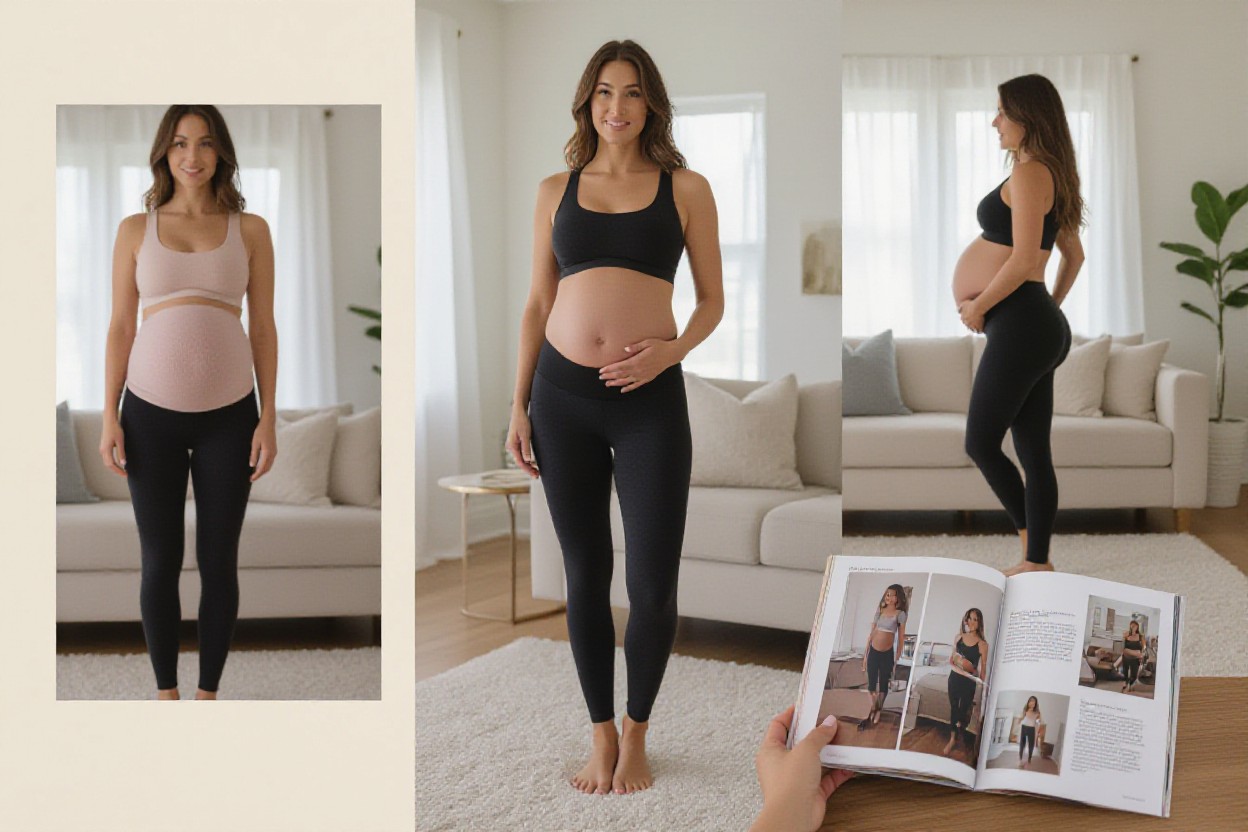


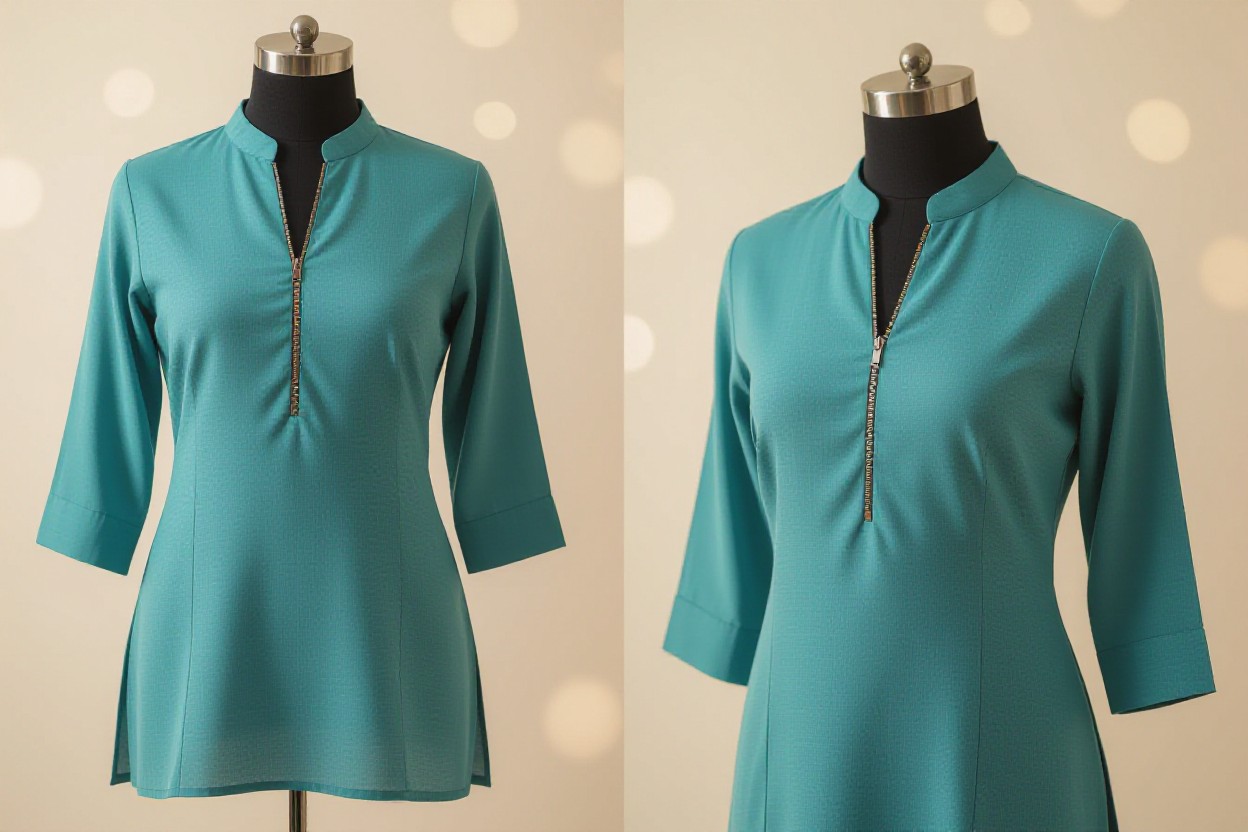
Most often, you can keep elegance and ease in your daily wardrobe by choosing Kurtis with hidden zippers that let you nurse discreetly. Look for soft cotton or rayon and knit/modal blends for comfort and stretch; avoid stiff, clingy fabrics that reveal seams. Prefer a side-zip for maximum discretion or a vertical front-zip for quick, one-handed access. These choices protect your comfort, privacy, and style while feeding in public.
Understanding Nursing Kurtis
You balance tradition and practicality by choosing a Kurti that lets you feed without shouting it from the rooftops; focus on fabric that breathes (like soft cotton & rayon) and zipper placement that suits your routine. Front options give one-handed speed, while side-zip designs (often running 8–10 inches) maximize discretion; pick prints and drape to naturally camouflage movement and small leaks for confident public wear.
Types of Nursing Kurtis
You’ll find five common approaches: vertical front-zip, horizontal chest-zip, side-zip (hidden pocket), snap/panel openings, and wrap-style access that looks like a regular Kurti. Compare how each handles speed, coverage, and laundering; choose based on whether you need quick access at work or near-invisible coverage on the go. This variety helps you match design to daily needs.
- Vertical front-zip — fastest, easy one-handed use.
- Horizontal chest-zip — full coverage, blends with yokes or ruffles.
- Side-zip — most discreet, ideal with textured fabrics.
- Panel/snap openings — low-tech, easy to repair.
- Wrap-style — elegant look, adjustable fit for engorgement.
| Vertical front-zip | Parallel zips beside bust; one-handed access, pairs well with camouflaging prints. |
| Horizontal chest-zip | Single zipper across chest; hides under yokes or ruffles for full coverage. |
| Side-zip | Zips in side seam (typically 8–10 inches); nearly invisible when sewn into seam. |
| Panel/snap openings | Discrete inner panels or snaps; simple to launder and repair, good for travel. |
| Wrap-style | Overlap front with hidden access; adapts to postpartum shape and gives adjustable coverage. |
Benefits of Hidden Zippers
You gain privacy and speed: a well-placed hidden zipper reduces visible exposure, cuts feeding time, and preserves your silhouette for professional or public settings. Designers often pair hidden zips with textured fabrics like crêpe to disguise seams; when you need confidence in a meeting or a crowded commute, the right zipper design lets you feed discreetly without bulky covers.
You’ll notice practical gains beyond modesty: hidden zippers reduce fumbling—vertical front zips enable one-handed pulls, while side zips keep your front panel uninterrupted for photos or formal events. Fabric choice matters too—rayon or modal blends stretch with engorgement and hide the zipper bulk; if you have a C-section, select longer lengths and soft weaves so the zipper never presses on healing tissue.

Key Factors to Consider
You must balance fabric (breathability, stretch, drape) with the placement of the hidden zipper to ensure discreet, comfortable feeding. Compare soft cotton or rayon for breath and modal blends for stretch; avoid clingy synthetics that reveal seams. Check zipper quality and whether you need one-handed access or full concealment for professional settings. Assume that comfort and discretion guide every style choice you make.
- Hidden zipper
- Nursing Kurti
- Fabric choices
- Front zipper
- Side zipper
Fabric Choices
You’ll favor soft cotton or rayon for breathability and absorbency, especially in 100–200 GSM weights that cool and drape well. Choose modal or knit blends when you need 10–20% stretch for engorgement or late pregnancy. Avoid thin georgette or lightweight polyester that clings and outlines the zipper. Darker solids and busy prints hide small leaks and movement better, helping you stay polished during feeds.
Zipper Placement Options
You’ll weigh front-versus-side designs: vertical front zips offer fast, one-handed access while horizontal chest zips can hide under yokes; side-seam zippers running ~8–10 inches from the armpit give top-level concealment but need two hands. If you nurse on the go, front zips save time; if you prefer an uninterrupted silhouette for work, side-zip styles are the subtle choice.
When deciding placement, inspect zipper type: choose a nylon-coil or plastic-tooth zipper for smooth, snag-free operation; metal zips can pinch skin and show through thin fabrics. Vertical front zippers typically run 6–10 inches and allow single-handed release—ideal for quick feeds—while horizontal chest zips need precise placement to avoid pulling. Side zippers (about 8–10 inches) pair best with textured fabrics to mask bulk and avoid pressure over a healing C-section scar.
Tips for Choosing the Right Kurti
Zero in on fabric and zipper placement: pick soft cotton, rayon or modal blends for breathability and stretch, and avoid clingy synthetics; prefer a vertical front-zip for quick, one-handed access or an 8–10″ side-zip for maximum discretion. Check drape over the bust and whether the hidden zipper disappears under a placket or print. After you try the kurti on and unzip it once to confirm coverage and ease.
- Fabric: soft, breathable, and drapey (cotton, rayon, modal)
- Zip type: vertical front-zip for speed; side-zip for stealth
- Length: tunic or knee-length for C-section comfort
- Stretch: knit blends help with engorgement
- Color/print: darker shades or busy prints hide movement
Style vs. Functionality
You can balance both: a vertical front-zip often gives one-handed access and works well under blazers, while a side-zip (typically running 8–10 inches) preserves an uninterrupted front for formal settings. If you wear structured workwear, favor a front-zip with a camouflaging placket; when elegance and stealth matter, choose a textured crêpe side-zip. Test both with a nursing pad or cover to see which matches your daily routine.
Color and Pattern Considerations
Dark solids like navy, emerald, and black, plus medium-to-small busy prints, mask small leaks and the motion of unzipping far better than pale or large-scale horizontal patterns.
For practical choices, pick prints with irregular motifs (micro florals, ditsy paisley) to break sightlines and hide seams; avoid bold chest-facing stripes or high-contrast piping that draws the eye to the zipper. Choose darker base colors for travel or work, and reserve lighter, softer prints for relaxed home wear. Also test pieces under indoor and outdoor light—some prints that conceal well in shop lighting may reveal seams in sunlight. Prioritize patterns that keep the silhouette smooth over the bust so the hidden zipper stays invisible.
Step-by-Step Guide to Nursing with Kurtis
Work in quick, repeatable motions: you can prep the Kurti by loosening side or front zips 8–10 inches, position a nursing pillow at waist level, bring baby in and fasten a secure latch, then close the zipper and smooth fabric. For a fast public feed, a vertical front-zip opens one-handed in under 10 seconds; for maximum discretion, use a side-zip and a patterned Kurti that masks movement.
Quick Steps
| Step | How-to (tips / examples) |
|---|---|
| Prep | Loosen zipper (vertical or side) 8–10 inches; place a small towel or pad on your lap; use a nursing bra for easy access. |
| Open | Use one hand for vertical zips; for side zips, undo with both hands and pull fabric aside under the arm to create a pocket. |
| Position | Use cradle or football hold; support baby with a nursing pillow so your shoulders stay relaxed and back stays straight. |
| Latch | Guide baby to the breast with chin leading; ensure a deep latch to avoid nipple pain and fussing. |
| Finish | Gently break suction with a finger, smooth the Kurti over the zipper, and tuck any loose fabric to restore your silhouette. |
How to Discreetly Nurse
Choose a Kurti with a hidden vertical or side zipper and a forgiving fabric like soft cotton, rayon, or crêpe so movement stays invisible. You can open a vertical front-zip one-handed while cradling baby; if using a side-zip, slip your hand under the armpit to create a private pocket. Use dark colors or prints, nursing pads for any leaks, and a lightweight scarf as an extra cover when you want total privacy.
Maintaining Comfort During Feeding
Pick breathable fabrics (cotton, modal blends) and a supportive but non-restrictive nursing bra; you should avoid tight waistbands and heavy fabrics that trap heat. Keep a small pillow at your waist to raise baby to breast level, and switch sides after 15–20 minutes if baby feeds long to prevent soreness. For C-section recovery, ensure the Kurti’s belly panel is loose and the zipper does not press on the incision.
For extra comfort, adjust these simple details: use a firm nursing pillow or rolled towel to keep baby at nipple height, angle your hips slightly so you’re not leaning forward, and change the position (cradle, cross-cradle, football) if you feel neck or shoulder strain. If you’re engorged, try warm compresses for 5–10 minutes before feeding and cool packs afterward to reduce swelling; check that seams and zipper hardware sit away from any incision or tender area to avoid pain or irritation.
Pros and Cons of Different Design Features
| Pros | Cons |
|---|---|
| Very quick access for one-handed feeds. | Can be more visible on thin or clingy fabrics. |
| Wide aperture (vertical zips) gives full access and comfort. | Wider openings may expose more skin if not layered. |
| Hidden plackets or yokes preserve the Kurti look. | Plackets add bulk and may shift with movement. |
| Side zips keep the front panel uninterrupted for a polished appearance. | Side zips usually need two hands and more maneuvering. |
| Textured fabrics (crêpe, rayon) hide seams and small leaks well. | Lightweight synthetics can reveal the zipper outline. |
| Modal/knit blends offer stretch for engorgement or pumping days. | Non-stretch fabrics can restrict movement around the bust. |
| Durable, quality zips last through frequent washing. | Poor-quality zips can snag or fail after 20–30 washes. |
| Side seams with 8–10″ zippers give near-invisible access. | Metal zippers near the underarm can irritate or pinch sensitive skin. |
Front Zippers
You get the fastest, most practical option with front zippers: vertical hidden plackets or horizontal chest zips that often run about 6–10 inches and allow one-handed opening. This is ideal for quick feeds at work or errands. Choose a Kurti in rayon or cotton to hide the seam; avoid thin georgette which can reveal the zipper line. Vertical zips paired with a camouflaging print give you speed and discretion together.
Side Zippers
Side zippers excel at keeping your front panel intact—vertical side zips usually start under the arm and run 8–10 inches, making the Kurti look unchanged when closed. You will need two hands and a little more time, but the payoff is unmatched discretion in professional or formal settings. Pair with crêpe or textured rayon for the best concealment.
For more detail: manufactures often use nylon coil zippers for side seams to reduce underarm irritation, and brands that test durability report smooth function after 50+ cycles. If you tend to wear recovery belts or have C-section sensitivity, pick a side-zip placement that begins slightly higher (closer to the armpit) to avoid pressure over the incision and ensure the zipper tape is soft-backed to prevent chafing.
Personalizing Your Nursing Kurti
You can tailor a Kurti to fit both style and feeding needs by tweaking length, fit, and closures. Ask for a hem that adds 1–2 inches for post-op comfort, choose sleeve options (cap, 3/4, full) that suit your routine, and add an inner nursing panel or pocket for pads. Prioritize a hidden zipper placement—vertical or side—so your silhouette stays intact while you feed discreetly.
Customization Options
Opt for specific modifications like an 8–10 inch side zipper, extra bust darts for shape, or a shallow elastic waist for flexibility. You can add snaps or magnetic closures for single-handed access, a small pad pocket sewn into the lining, and reinforced zipper tape to prevent snagging. Tailors often recommend adding 2 side seams for future let-outs as your body changes.
Accessory Pairing Ideas
Pair your Kurti with a lightweight camisole or slip for layered coverage, a long scarf to shield during public feeds, and statement earrings to draw the eye upward in professional settings. Choose slip-on shoes and a 1–2 inch belt you can loop loose when nursing to keep comfort without sacrificing a polished look.
Deepen the look by selecting a cotton or modal camisole one size up to avoid compression, a 50×150 cm viscose scarf that breathes, and small hoop or stud earrings (2–3 cm) for easy wear with baby handling. In practice, many parents find that 2–3 go-to accessories—cami, scarf, and a simple bracelet—streamline dressing and make nursing in public feel intentional and effortless.
To wrap up
Presently you can choose a nursing Kurti that keeps your style and privacy intact by prioritizing two things: fabric for comfort and drape, and zipper placement for discretion. Look for breathable, soft blends and either a front vertical zip for speed • or a side-seam zip for stealth, and pick darker colors or prints to hide movement. With these choices, you get a practical, elegant Kurti that supports your feeding needs and daily life.