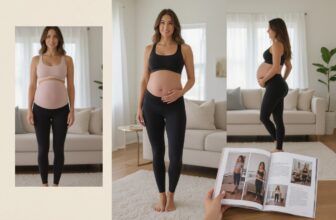

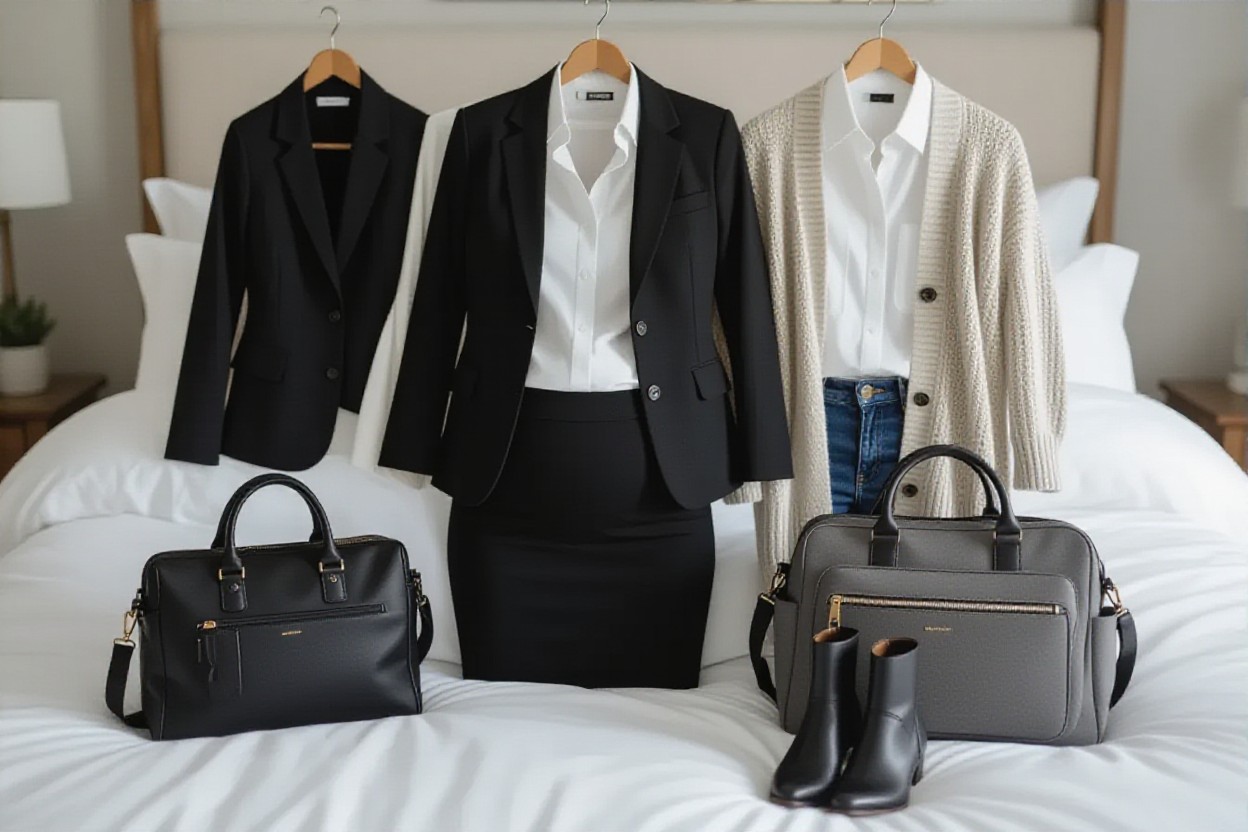
Most working pregnant professionals benefit from a compact capsule that maximizes versatility, comfort, and professional elegance so you can build polished outfits from seven pieces (tailored black maternity pant with a supportive full-panel band, fitted sheath, longline blazer, white button-down, knit pencil skirt, two shells, and a cardigan/trench); choose stretch fabrics and avoid tight, non-stretch items to protect circulation and comfort while keeping every look meeting-ready.
Understanding the Capsule Wardrobe Concept
Definition of Capsule Wardrobe
A capsule wardrobe pares your workwear to a compact, highly interchangeable set—here distilled to 7 imperative pieces—so you get maximum outfit mileage from minimum items. Unlike larger closets, capsules focus on quality details: full-panel or under-belly bands, moisture-wicking stretch-knit fabrics, and knee-length silhouettes that transition across trimesters. Typical capsules often span 8–15 pieces; this pregnancy capsule intentionally tightens that range to prioritize versatility, comfort, and professional elegance.
Importance for Working Moms during Pregnancy
For you, a pregnancy capsule eliminates morning outfit guesswork and keeps your wardrobe consistently meeting office standards while your body changes. One tailored pant, one sheath dress, a blazer and a cardigan can be rotated into meeting-ready looks in under five minutes, and strategic fabrics mean pieces fit across multiple trimesters. That saves time, reduces laundry loads, and preserves energy for work and appointments.
Practically, assemble 7 pieces plus one pair of loafers and 2–3 accessories to create easily 20+ combinations: pant + shell + blazer for client days; sheath + jacket for presentations; skirt + button-down for casual Fridays. Be wary of thin, low-quality fabrics that sag or waistbands that dig in—those undermine both comfort and the polished look you need at work.
The 7 Essential Pieces for Professional Pregnancy
Tailored Black Maternity Pant
You want a pant with a full-panel (or under-belly) band and thick, high-quality fabric that holds shape; look for ponte or wool blends with at least 3% elastane. Pair with a blazer and heels for client meetings, or flats and a tee for smart-casual days—one pair can cover 70–80% of your workweek outfits when swapped with skirts and dresses.
Classic Fitted Sheath Dress
Choose a moisture-wicking, stretch-knit fabric that flatters your bump from early to late pregnancy; this single-piece solution streamlines mornings and works with a scarf or pendant for variety. Layering with a blazer or cardigan turns it from desk-appropriate to presentation-ready in seconds.
For fit, aim for a silhouette with a bit of room at the waist and at least 5–8% elastane so the dress keeps its shape after repeated wear; styles hitting just above the knee suit most offices and photograph well for video calls.
Structured Longline Blazer
Pick a relaxed, longline blazer that either hangs open or fastens with a single button closure high above the bump; a 28–34″ length (depending on your height) creates a vertical line that elongates. Wear it over the sheath, pants, or dark maternity denim for instant polish in client-facing settings.
Seek construction with light shoulder padding and a soft lining to avoid bulk; midweight wool blends or stable suiting fabrics hold tailoring while allowing movement—this makes the blazer usable across seasons and trimesters.
Versatile White Button-Down Shirt
Opt for a non-iron, tunic-length shirt that drapes over your belly; tuck the front into tailored pants early on, then wear fully open over a shell in the third trimester for easy transitions. Crisp cotton-poplin with 2–4% elastane keeps a neat silhouette all day.
Look for design details like elongated shirttails, slight high-low hems, and reinforced plackets so the shirt survives frequent washing and still layers cleanly under blazers or cardigans without pulling at the buttons.
Quality Knit Pencil Skirt
Choose a knee-length knit pencil skirt in black or navy with a stretch waist that adapts to your bump; knit is more forgiving than woven and pairs perfectly with the white button-down or a shell. A single skirt can extend outfit options across 10–15 wearings per month.
Target fabrics with about 3–7% elastane for recovery and structure, and pick a skirt with a smooth waistband or fold-over panel so you can adjust height as your belly grows without losing shape.
High-Quality Shells/Tops
Carry two high-quality shells—one neutral (white/cream) and one colored (navy or burgundy)—that are long enough to cover the belly panel and layer under blazers. Choose breathable fabrics like modal or silk blends for comfort on long days and easy laundering.
Prioritize shells around 26–30 inches long or long enough to reach mid-hip so they stay tucked or layered; camis with a built-in shelf bra or slightly thicker fabric reduce the need for multiple underlayers and streamline your silhouette.
Maternity Cardigan or Open Trench
Pick a knee-length cardigan or open trench to soften the blazer look for warmer offices; a vertical, unbelted line keeps you polished while adding warmth and coverage. This piece converts basic tops and pants into office-ready outfits with minimal effort.
Favor lightweight merino or cotton blends for cardigans and a water-resistant cotton for trenches; choose a length that mirrors your blazer to maintain proportion, and use the piece as your primary outer layer for 60–80% of transitional-weather days.
Types of Fabrics and Materials
| Cotton | Breathable, soft, and absorbent; works well for shirts and shells but can retain moisture—pair with a light layer for long meetings. |
| Linen | Highly breathable and cool in warm offices; prone to wrinkling, so choose blended linen (with viscose or cotton) for a more polished look. |
| Modal / Lyocell (Tencel) | Silky drape, excellent moisture management, and sustainable; ideal for fitted sheath dresses and everyday shells that need a smooth finish. |
| Jersey / Ponte Knit | Stable knit with structured stretch—holds shape for a pencil skirt or sheath dress; look for blends with 3–7% elastane for recovery. |
| Technical Polyester / Merino | Engineered for moisture-wicking and odor control; great for long-day comfort in fitted pieces—choose blends to maintain a professional finish. |
- Cotton
- Linen
- Modal (Tencel)
- Jersey / Ponte
- Elastane / Spandex blends
Breathable Fabrics for Comfort
You’ll want breathable options like cotton, linen, and lyocell for days with long commutes or warm offices. These fabrics move air and reduce overheating; for example, a cotton blend shirt layered under your blazer will cut sweat buildup while keeping a crisp look. Opt for light-to-medium weights and avoid heavy, densely woven fabrics during peak pregnancy months.
Stretch Fabrics for Flexibility
Choose fabrics with reliable stretch—think ponte, jersey, or blends containing 3–7% elastane—so your skirt, pants, and dresses expand with your bump and return to shape after wear. A ponte pencil skirt with 5% elastane retains a tailored line while giving you mobility for meetings and commuting.
Many maternity-friendly garments pair a stable base fiber (viscose, polyester, or cotton) with a small percentage of elastane to deliver four-way stretch and recovery. For example, a sheath dress in a 62% viscose / 33% nylon / 5% elastane blend offers drape, durability, and stretch that won’t bag out after a week of wear; look at the garment’s stretch test (pull the fabric across the weave) and check that the label lists elastane so you get both comfort and a polished silhouette.
Moisture-Wicking Options
For long days and variable temperatures, pick items labeled moisture-wicking—technical polyester, nylon blends, and merino wool move sweat away from the skin and dry faster than plain cotton. A moisture-wicking sheath dress keeps you presentable after a commute and reduces midday discomfort without sacrificing professionalism.
Technical fabrics often incorporate finishes or fiber structures that speed evaporation and reduce odor; for instance, polyester microfibers with a hydrophobic treatment shed moisture, while merino fibers absorb small amounts of moisture but release it to the air, regulating temperature. When identifying garments, check care labels—moisture-wicking finishes can lose effectiveness with harsh detergents or high-heat drying—so wash gently and air-dry to preserve performance.
Recognizing which fabric mixes and percentages best suit your office climate and daily routine will help you maximize comfort and outfit longevity from your capsule pieces.
Styling Tips for Each Essential Piece
- The Tailored Black Maternity Pant: Pair a full-panel band pant with a tucked front of the Versatile White Button-Down Shirt for polished proportions; wear with low-heeled leather loafers for all-day support.
- The Classic Fitted Sheath Dress: Layer a moisture-wicking stretch-knit sheath under the Structured Longline Blazer to balance formality and comfort in client-facing meetings.
- The Structured Longline Blazer: Choose a relaxed hang or single high button to keep the silhouette vertical; wear over the sheath or over 2x High-Quality Shells/Tops for easy transitions.
- The Versatile White Button-Down Shirt: Use a tunic length for coverage; front-tuck early in pregnancy or wear open layered over a tank later for flexible styling.
- The Quality Knit Pencil Skirt: Opt for a knee-length, stretchy knit in black or navy to pair with the button-down or shells for 2–3 outfits per week without repetition.
- 2x High-Quality Shells/Tops: Rotate one neutral and one color to create contrast under blazers; ensure they reach past the panel for a smooth line.
- The Maternity Cardigan or Open Trench: Use a knee-length cardigan for vertical slimming or an open trench tied loosely above the bump for polished outerwear layering.
How to Elevate Your Look
Switch to a structured blazer and swap flats for sleek low-heeled loafers when you need a sharper presence; add one statement necklace or a pair of bold earrings to draw the eye upward, and limit metallics to one or two pieces so your outfit reads intentional and professional.
Mixing and Matching for Maximum Effect
Build at least 12–20 distinct outfits from the seven necessarys by combining the Tailored Black Maternity Pant, shells, blazer, and cardigan in layers; alternate colors and textures to keep looks fresh while maintaining a compact, travel-ready wardrobe.
Start with three base outfits—pants + shell, skirt + button-down, and sheath dress—then add the blazer, cardigan, or trench to create variations: for example, wear the sheath with the blazer and a silk scarf for presentations, switch to the cardigan and flats for desk days, or pair the button-down with the knit pencil skirt and loafers for client lunches. Track combinations in your phone—after 4 weeks you’ll know which 6 looks you rely on most and can refine fabric choices for longevity.
Accessorizing to Enhance Professionalism
Favor one pair of low-heeled leather loafers, a slim belt worn above the bump on non-maternity trenches, and one statement piece (earrings or necklace) per outfit; keep bags structured and neutral to anchor softer silhouettes and convey polish without fuss.
Balance is key: choose accessories that shift attention upward—think a 2–3 inch silk scarf or 1 bold earring—while avoiding bulky belts across the belly. Limit metal tones to one family per outfit, and aim for 1–2 focal accessories so your look reads confident and cohesive. Perceiving how a single accessory changes posture and eye line will help you curate outfits that flatter both bump and briefings.
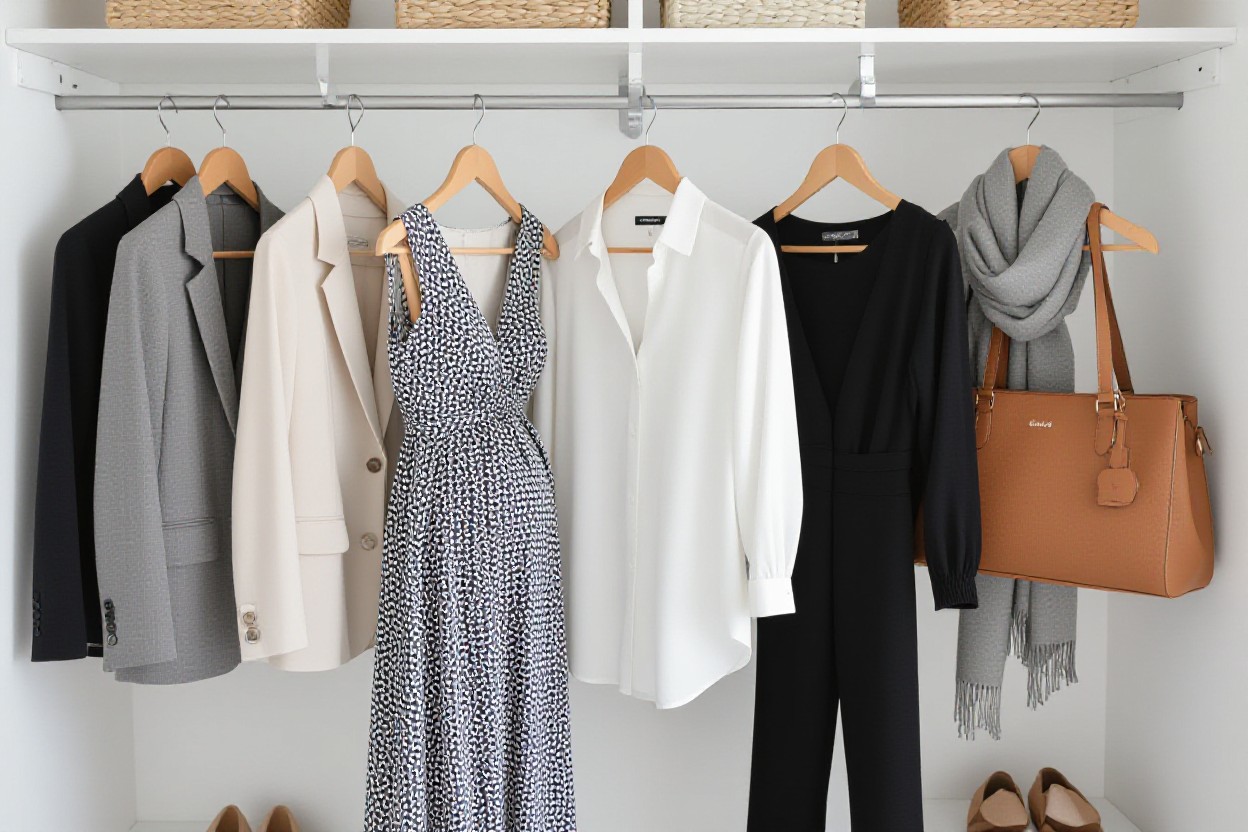
Step-by-Step Guide to Building Your Capsule Wardrobe
| Step-by-Step Guide | |
|---|---|
| 1. Assess | Inventory current work pieces, note fit and frequency, flag items with tight waistbands or poor fabric breathability for replacement. |
| 2. Define Needs | List your top 5 weekly work scenarios (e.g., client meetings, presentations, casual days) and target 5–7 outfit formulas that cover them. |
| 3. Choose Pieces | Select the 7 vitals (pants, sheath, blazer, button-down, skirt, 2 shells, cardigan/trench) prioritizing moisture-wicking, stretch-knit, and durable fabrics (ponte/scuba ~200–350 gsm). |
| 4. Try & Test | Bring your go-to shoes when trying items, sit/stand/walk to test comfort, and ensure closures sit above the bump (single-button blazers 6–8″ above the belly). |
| 5. Plan Outfits | Create a 5-day outfit matrix using your pieces; aim for at least 5 distinct looks to rotate, plus 1 backup for unpredictable days. |
| 6. Edit Quarterly | Re-assess every 6–8 weeks as your body changes; swap sizes or fabric weights to maintain fit and comfort. |
Assessing Your Current Wardrobe
Start by pulling every item you’ve worn to the office in the last month and set a 30–45 minute timer; sort into keep, repair/alter, and donate/sell piles. Note which garments you wore at least three times—those are your best candidates for the capsule. Flag pieces with tight waistbands or non-breathable fabrics to replace, and list any gaps like lack of a structured blazer or a knee-length skirt.
Choosing the Right Pieces
Focus on the 7 vitals and prioritize fabrics: select a tailored black pant in a ponte or scuba (≈200–350 gsm), a moisture-wicking sheath, a relaxed longline blazer with a single-button option, a tunic-length button-down, a stretchy pencil skirt, two shells (one neutral, one color), and a knee-length cardigan or open trench. Limit purchases to core items that create at least 5–7 outfit combinations.
When you shop, test each piece with real-world movements—sit, cross legs, and walk for 5–10 minutes while wearing the shoes you’ll pair with it. Choose a blazer that hangs open or buttons high above the bump (measure ~6–8 inches above your bump for safe closure), and for pants look for a full-panel or under-belly band to avoid pressure on the abdomen. Aim to build a compact set: the 7 vitals plus 3–5 accessories (scarves, jewelry, one pair of low-heeled loafers) yields ~20 outfit permutations.
Planning Outfits for Various Occasions
Map out your top five weekly scenarios—e.g., presentation, client lunch, office day, casual Friday, commute—and assign a go-to formula for each (sheath + blazer for presentations, pants + shell + cardigan for client lunches). Create at least 5 repeatable formulas that use the 7 vitals so you can mix-and-match quickly on busy mornings.
Build a simple weekly grid: Monday through Friday across the top, outfit formulas down the side. Block 20 minutes on Sunday to assemble and photograph each combo for quick reference; many professionals reclaim ~10–15 minutes each morning this way. Pack a single backup outfit in your work bag (e.g., sheath + cardigan) to handle spills or unexpected meetings, and update the grid every 6–8 weeks as proportions and comfort needs change.
Factors to Consider When Shopping
- Versatility — choose pieces that mix-and-match across the 7 crucials so you get maximum outfits from minimum items.
- Comfort — prioritize breathable fabrics, a secure full-panel or adjustable waistband, and at least 4‑way stretch where possible.
- Fit & Size — try the pieces on over layers, size for mid‑pregnancy if you plan to wear through multiple trimesters, and check return policies.
- Quality — look for heavier weights (e.g., 250–350 gsm for trousers), reinforced seams, and colorfast dyes.
- Budget — balance one or two investment staples with a few cost-effective basics.
- Style — match silhouettes and colors to your office dress code so every piece feels like you.
- Care — prefer machine-washable, non-iron finishes for easier daily wear and travel.
Budgeting for Maternity Workwear
You can set aside about 20–30% of your usual workwear spend for maternity pieces or plan a one-time budget of roughly $200–$500 for 4–6 high-impact items (pants, blazer, dress, shells). Prioritize durability for staples and pick one or two lower-cost tops to rotate; this keeps monthly outlay predictable while preserving overall polish.
Prioritizing Quality over Quantity
Invest in 2–3 high-quality staples—think a tailored pant, structured blazer, and fitted sheath—because each should withstand repeated wear and washing. Look for durable fabrics, solid construction, and a good return policy so you avoid frequent replacements and get true capsule value.
Compare cost-per-wear: a $250 blazer worn 50 times is ~$5 per wear versus a $60 blazer that fades or warps after 10 washes at $6 per wear. Inspect hems (double-needle stitching), waistband construction (reinforced full-panel), and fabric content (e.g., 95% cotton/5% elastane or 70% wool blends for drape). Seek brands with clear size charts and a 30-day return window; if a blazer keeps its shape after 10 machine washes, it’s likely worth the investment.
Considering Your Personal Style
Limit your palette to two neutrals plus one accent (for example, black + navy + burgundy) so you maintain cohesion. Choose silhouettes that flatter your pre-pregnancy aesthetic—if you prefer minimalist looks, favor longline blazers and monochrome dresses; if you like softer shapes, select drapey fabrics and gentle prints.
Decide on proportions: a knee-length cardigan or longline blazer creates a vertical line if you want streamlined looks, while a single-piece sheath with ruching suits those who prefer subtle detail. Pick accessories—one necklace, one pair of earrings—to steer attention upward and make each outfit feel distinctly yours; aim for a capsule of no more than 9–11 items that reflect how you already dress.
The right mix of budget, quality and personal style keeps your capsule elegant and functional through every trimester.
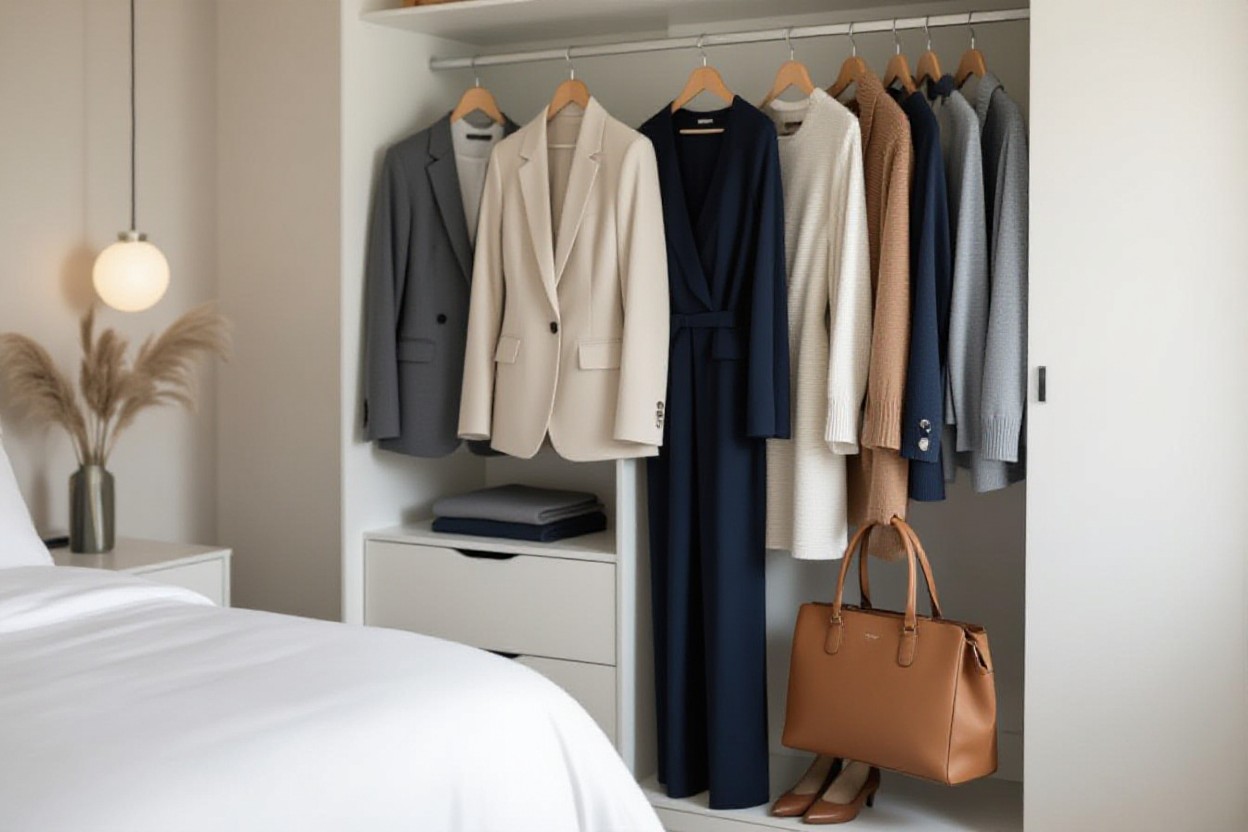
Pros and Cons of a Capsule Wardrobe
Pros vs Cons Snapshot
| Pros | Cons |
| Saves time — you can cut morning outfit decisions by 10–20 minutes daily. | Can feel repetitive if you rely on the same silhouettes week after week. |
| Maximizes outfit mileage — the 7 pieces can create 30+ combinations for work. | May require a higher upfront investment in quality basics, even if cost-per-wear falls. |
| Makes travel and commuting easier with fewer items to pack. | Limited seasonal variety; you might need a few extra layers for extreme weather. |
| Promotes a consistent, professional image with minimal styling. | Fit changes during pregnancy — pieces may need alteration or replacement sooner. |
| Encourages higher-quality, longer-lasting garments (better fabrics, fewer replacements). | Office-specific dress codes or client-facing roles may demand more variety or formality. |
| Reduces wardrobe clutter and decision fatigue, freeing mental bandwidth for work. | Not ideal if you rely on fashion variety for mood or personal expression. |
Advantages for Busy Working Moms
You gain consistency and speed: with a tailored black pant, sheath dress, blazer, and a couple of shells you can build professional looks in under five minutes, saving roughly 10–20 minutes each morning. Practical examples include wearing the blazer + pant for client meetings or the cardigan + dress for longer hospital-visit days, keeping your work image polished while minimizing effort.
Potential Drawbacks to Be Aware Of
You may hit two main friction points: fit changes as your bump grows and the emotional fatigue of wearing similar outfits. Expect to swap or alter pieces at least once during the second-to-third trimester, and plan small accessories to keep looks feeling fresh.
To manage fit shifts, buy one pant with a full-panel and one with an under-belly band, or choose fabrics with 10–20% stretch so items remain wearable across trimesters. For variety, rotate scarves, statement earrings, or a colored shell — adding a single accessory can make the same base outfit look new for client meetings or office photos. If your workplace requires different levels of formality, keep one extra piece (e.g., a tailored sheath in a seasonal fabric) to bridge gaps without breaking the capsule approach.
Summing up
Taking this into account, your capsule of seven maternity pieces prioritizes versatility, comfort, and polished professionalism so you can generate numerous cohesive looks from a few high-quality items; tailored pants, a sheath dress, a structured blazer, a white button-down, a knit pencil skirt, two shells, and a long cardigan or trench provide layering and easy mixing to keep you comfortable and meeting-ready throughout pregnancy.