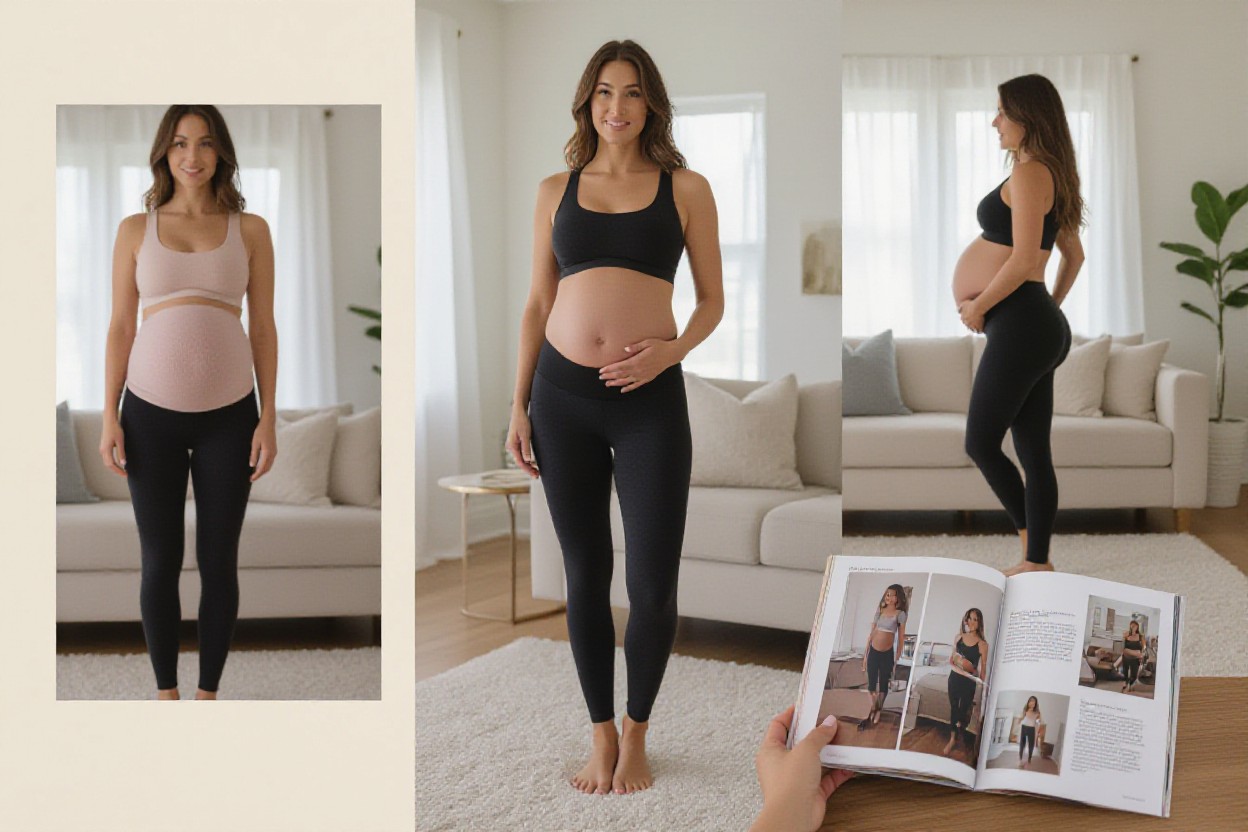

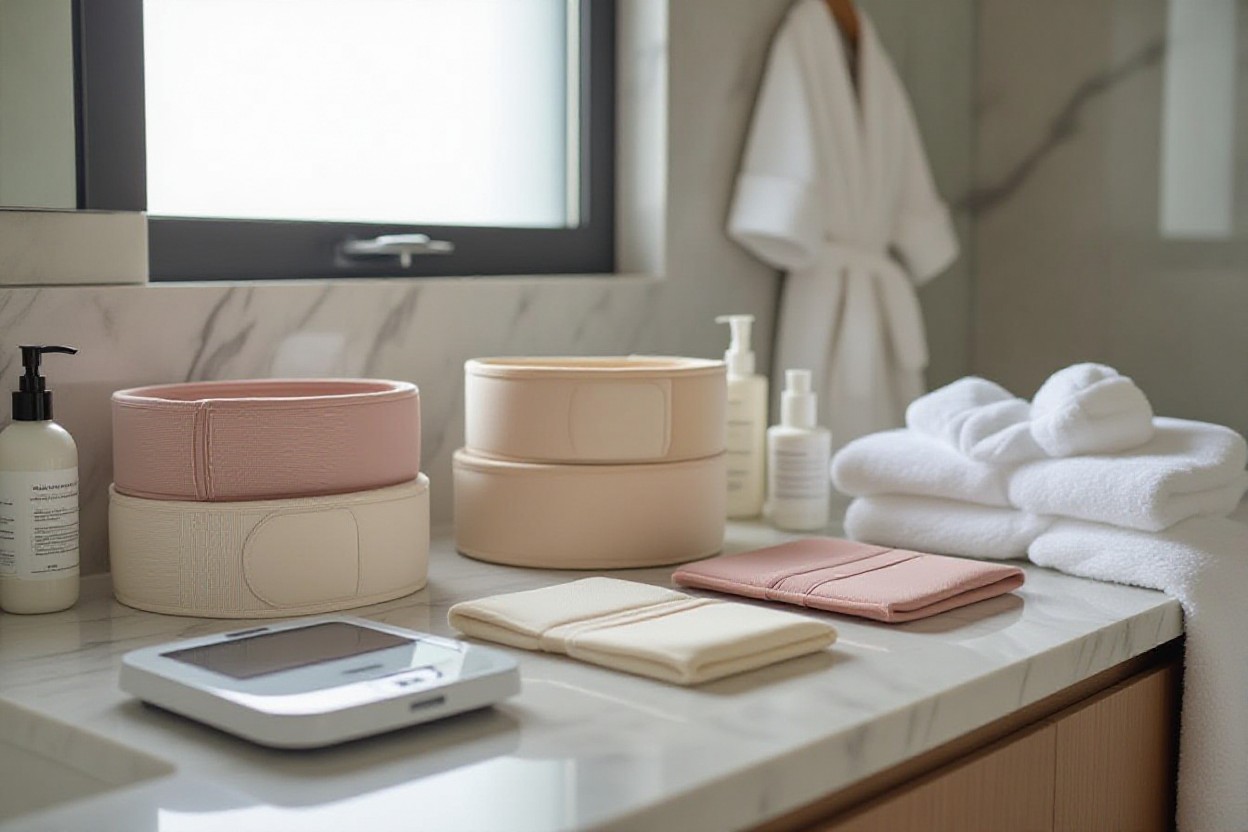
This quick guide helps you decide whether your body needs a medical recovery belt or postpartum shapewear after birth so you can heal safely and feel confident. If you had a C‑section or are in the first weeks, a rigid binder can protect your incision, reduce swelling, and stabilize your core. Later, softer shapewear offers gentle support and smoother lines. Use these tools with your provider’s clearance to avoid damage to a fresh incision or delayed healing. Early healing: binder. After 6–8 weeks: shapewear.
Understanding the Postpartum Core
The Importance of Core Recovery
Your core supports breathing, posture, and pelvic floor function, so recovering it after birth matters for daily tasks and pain control. In the first 4–6 weeks you need gentle external support to manage swelling, protect a C‑section incision, and reduce back pain while tissues heal. Use a structured binder when advised by your provider and pair it with progressive, guided exercises from a pelvic floor therapist to rebuild coordination and function.
Common Postpartum Issues
You may encounter pelvic floor weakness, urinary leakage, abdominal separation, back pain, incision irritation after a C‑section, or increased risk of hernia and prolapse; some problems appear immediately, others develop over months. Watch for severe incision redness, fever, increasing drainage or a persistent bulge when you cough—these signs need prompt medical attention. Early, appropriate support and therapy change outcomes.
Digging deeper, many parents find symptoms overlap: pelvic floor dysfunction often coexists with diastasis recti and back pain, so isolated fixes rarely solve everything. Practical steps include a medical‑grade binder in the acute phase to limit painful movement, structured pelvic floor physical therapy starting when cleared, and avoiding loaded abdominal straining (heavy lifting, intense sit‑ups) until your therapist gives the go‑ahead. If symptoms persist past 6–12 months despite conservative care, referral for imaging or surgical consultation may be warranted.
Overview of Diastasis Recti
Diastasis recti is a separation of the two sides of your rectus abdominis, commonly measured as >2 finger‑widths (about 2.5 cm) at the linea alba; it affects a large portion of women in late pregnancy and early postpartum. You’ll notice a midline bulge when you strain or sit up. While a binder can approximate the muscles temporarily, targeted rehabilitation from a pelvic floor therapist is the evidence‑based path to lasting improvement.
For assessment, therapists use finger‑widths, calipers, or ultrasound to quantify gap size and tissue quality. Functional signs to track include a dome or cone when you lift, difficulty bracing for lifts, and breath‑related core coordination issues. Rehab emphasizes breath‑first motor control, gradual loading (planks, deadbugs progressed carefully), and pelvic floor retraining; avoid traditional crunches early. Surgery—abdominoplasty or plication—is an option when a symptomatic separation persists after an adequate trial of conservative care, typically considered after 6–12 months of rehab.

Types of Postpartum Support
| Support Type | Recovery Belt/Binder vs Postpartum Shapewear — structured vs stretch |
| Primary Use | Healing and incision protection (0–6 weeks) vs daily smoothing and posture support (6+ weeks) |
| Compression Level | High, targeted, adjustable vs moderate, distributed, proprioceptive |
| Material | Rigid, non-stretch fabric with Velcro/hooks vs breathable performance spandex/elastic |
| Clinical Notes | Protects incision, reduces swelling, aids stability; neither cures diastasis recti, pair with pelvic floor PT |
- Recovery Belt: adjustable, medical-grade compression for immediate post-op support
- Binder: higher tension, good for swelling and incision shielding
- Postpartum Shapewear: softer, daily wear for smoothing and light support
- Timing: belts 0–6 weeks (with clearance), shapewear 6+ weeks
- Diastasis Recti: garments assist symptomatically but require targeted PT to heal
Recovery Belts and Binders
You should use a recovery belt when you need targeted, high compression — commonly the first 4–8 weeks after delivery or immediately after a C-section with physician approval. Wear 6–12 hours a day at first, keep the tension snug but not restrictive, and choose rigid panels plus adjustable closures to reduce pain, limit swelling, and protect your incision from friction. Pair with pelvic-floor-focused exercises and your surgeon’s guidance.
Postpartum Shapewear
After about 6–8 weeks you can move into postpartum shapewear for lighter, all-over compression that smooths clothes and supports posture during activity. Pick breathable, high-quality spandex, avoid tight bands over a fresh scar, and stop use if you feel pain, numbness, or increased pressure. Use it as a comfort tool alongside ongoing core rehab.
For more depth: choose styles by need — high-waist briefs for everyday smoothing, shorts for thigh coverage, or a bodysuit for full torso support; many brands rate compression in mmHg or by firm/medium/soft, and clinicians often advise wearing shapewear up to 8 hours daily while avoiding heavy compression during workouts or rest. Fit matters: if you need to size up to avoid pinching or breathing restriction, do so. Combine your garment with progressive core strengthening and pelvic-floor therapy; that combination offers the best evidence-based path to functional recovery and improved comfort.
Thou should always prioritize medical clearance and your comfort when choosing postpartum support.
Choosing the Right Option
Factors to Consider
Match your choice to your birth type, healing stage, pain level, and daily needs—binders deliver high, targeted support while shapewear gives gentle, all-day compression. Watch incision sensitivity after a C‑section—do not wear restrictive shapewear over a fresh wound. After you evaluate these points, use the checklist below to compare options quickly.
- Birth type
- Healing stage (0–6 weeks vs 6+ weeks)
- Pain & mobility
- Incision protection
- Diastasis support
- Fit & adjustability
- Material & breathability
- Provider clearance
Pros and Cons
Compare trade-offs: recovery belts give structured compression that can reduce pain and swelling in the first 4–8 weeks, while postpartum shapewear offers smoother lines, comfort, and light proprioceptive feedback for long-term wear; pick based on your healing goals and clinical clearance.
Pros vs Cons: Recovery Belt/Binder ⇄ Postpartum Shapewear
| Pros | Cons |
|---|---|
| Provides targeted abdominal support | Can feel rigid or bulky during daily tasks |
| Protects C‑section incision from friction | Not safe over a fresh incision |
| Adjustable compression for pain control | May require frequent readjusting (Velcro, straps) |
| Helps stabilize posture and reduce back pain | Can trap heat; risk of skin irritation if not breathable |
| Useful in the first 4–6 (to 8) weeks | Not ideal for aesthetic smoothing under clothing |
| Can assist with temporary approximation of diastasis | Won’t heal diastasis without PFPT |
| Shapewear gives consistent, comfortable compression | Provides only mild therapeutic benefit |
| Improves clothing fit and confidence long-term | May be worn too tightly if you skip sizing |
Decide by timeline and symptoms: if you had a C‑section or significant pain, a binder for the first 4–8 weeks often makes the most sense; if you’re past the initial healing window (typically >6–8 weeks) and want daily comfort plus smoother silhouette, transition to shapewear. You can also combine both—start with a binder, then move to shapewear while following a PFPT plan for diastasis and core recovery.
Tips for Effective Use
- Start with a clear plan: use a recovery belt for the first 0–6 weeks and transition to postpartum shapewear after your provider clears you.
- Wear the right size: a too-tight binder can restrict breathing; a too-loose shapewear won’t give proprioceptive feedback.
- Limit continuous wear: aim for 2–4 hours at a stretch, removing for movement, showers, and pelvic-floor exercises.
- After you get medical clearance, trial shorter periods of shapewear during outings before committing to full-day use.
Ideal Timing for Wearing Each Type
You should use a recovery belt immediately after delivery—especially after a C-section—for roughly 4–8 weeks while incision healing and swelling settle. Shift toward postpartum shapewear once your provider or pelvic-floor therapist clears you, typically around 6–8 weeks, and use it for light daily support and clothing fit without covering fresh wounds.
Combining Different Types for Optimal Support
Pair a rigid binder for early healing (first 2–6 weeks) with lightweight shapewear later to maintain posture and confidence; alternate based on pain, activity, and swelling. Use the belt for heavy lifting or stair climbing, and the shapewear for errands or low-impact exercise once cleared.
| Situation | How to combine |
| Immediate post-op (days 1–14) | Wear a rigid recovery belt for incision protection and pain control; remove for wound checks. |
| Early mobility (weeks 2–6) | Use the binder during transfers and short walks; do pelvic-floor exercises without it 2–3x/day. |
| Transition phase (weeks 6–8) | Gradually swap to light shapewear for errands; test comfort for 2–4 hour blocks. |
| Long-term support (8+ weeks) | Rely on postpartum shapewear for posture and outfit smoothing; use binder only for heavy demands. |
In practice, you might wear a binder for morning care tasks when swelling is worst, switch to breathable shapewear for a 3-hour outing, and always remove garments during strengthening sessions; many people report reduced back pain within 1–2 weeks of consistent, appropriate use, while those with persistent separation (>2.5 cm) benefit from guided PFPT plus targeted support.
- Check skin often for irritation under a binder or shapewear—treat redness early.
- Use breathable layers and wash garments per label to prevent bacterial buildup on incisions or skin folds.
- The
| Sign/Need | Recommended action |
| Redness, chafing, or open wound | Stop compression, do wound care, contact your provider if drainage or increased pain appears. |
| Shortness of breath or lightheadedness | Loosen or remove the garment immediately; reassess fit and wear time with your clinician. |
| Pain when breathing or coughing | Limit tight compression; consider a softer binder and consult about pulmonary risks after major surgery. |
| Persistent diastasis concerns | Pair support with specialized PFPT; avoid over-reliance on garments as the only intervention. |
Listening to Your Body
Pay attention to pain patterns: sharp or shooting pain, numbness, breathing changes, or increasing swelling are warnings to stop and seek care. Gentle soreness and improved posture are normal benefits, but any severe or worsening symptom should prompt immediate medical advice.
You should track wear time, symptom changes, and skin condition—log 2–4 hour sessions and note when pain drops or mobility improves. If you notice increasing separation, pelvic heaviness, or signs of nerve compression, reduce compression and bring findings to your provider or a pelvic-floor therapist for targeted adjustments and safe progression plans.
Step-by-Step Guidance
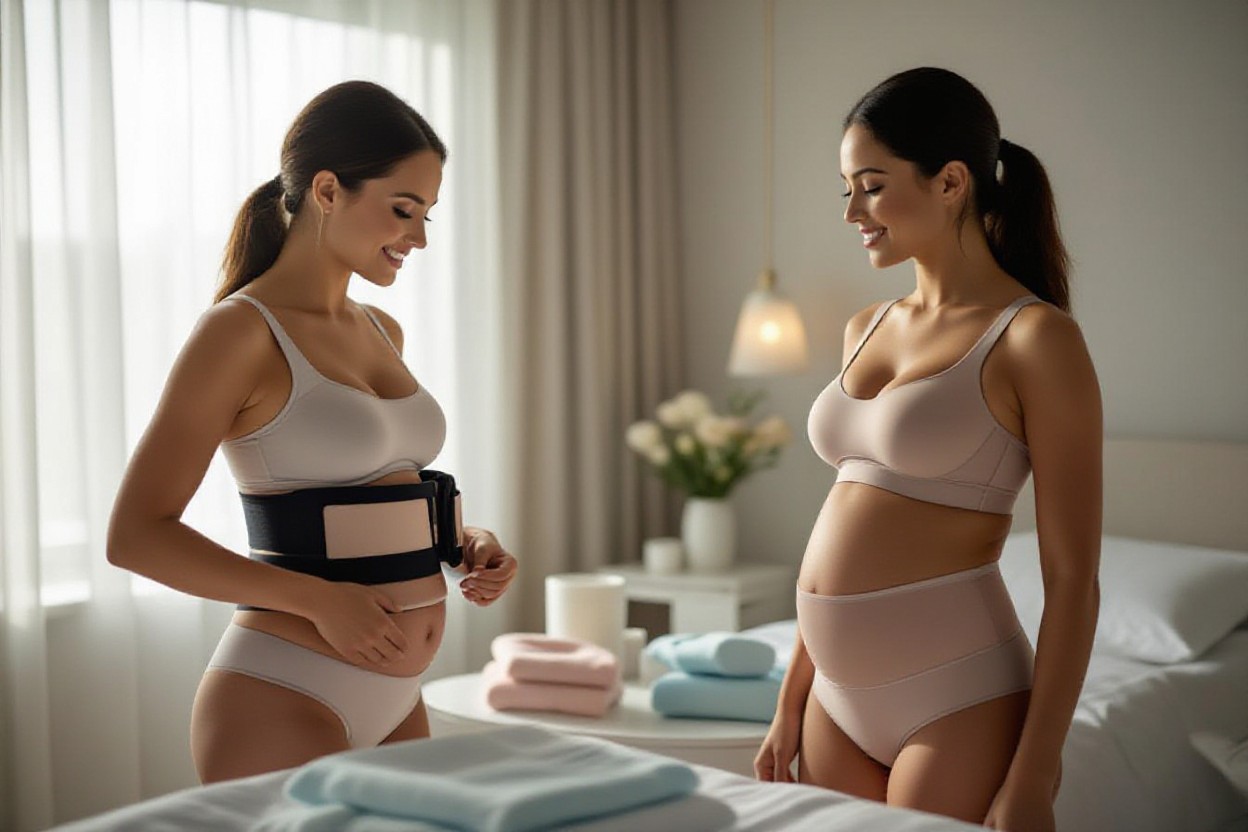
Quick action plan: recovery belt vs. postpartum shapewear
| Recovery Belts / Binders | Postpartum Shapewear / Girdles |
|---|---|
| When to start: Day 0–1 after birth with physician clearance for C-section; commonly worn through the first 4–6 weeks. | When to start: After 6–8 weeks or when your provider/physical therapist clears you; used long-term for daily wear. |
| How long to wear: 4–8 hours/day initially; adjust based on pain and swelling; appliance is highly adjustable (Velcro, straps). | How long to wear: Start 1–2 hours/day, gradually increase as tolerated; designed for all-day comfort once fitted correctly. |
| Fit & sizing: Firm, supportive fit that approximates the midline without cutting into skin; size to accommodate postpartum swelling. | Fit & sizing: Snug, stretchy fabric—choose your pre-pregnancy size if swelling has resolved or one size up if needed for comfort. |
| Best for: Immediate stabilization, incision protection after C-section, reducing post-op pain, managing swelling. | Best for: Smoothing silhouette, gentle lumbar support, core awareness during movement and low-impact workouts. |
| Cautions: Do not overtighten; stop use if numbness, increased pain, or circulation issues occur; follow surgeon guidance. | Cautions: Never wear restrictive shapewear over a fresh incision; avoid garments that compress the pelvis or impair breathing. |
| Example routine: Wear for transfers, standing, and short walks in week 1–3; remove for sleep and prolonged rest. | Example routine: Wear under work clothes or leggings after week 8; use during low-impact exercise for proprioceptive cueing. |
Using Recovery Belts and Binders
You should put a recovery belt on snugly but not so tight that you can’t breathe; start wearing it for short periods (about 4–8 hours a day) while upright and during transfers. Many people begin the day after delivery with clinician approval, especially after a C-section, and use the belt to reduce pain, limit swelling, and protect the incision. Stop and contact your provider if you feel numbness, tingling, or worsening pain.
Transitioning to Postpartum Shapewear
Once cleared at about 6–8 weeks, you can shift to softer postpartum shapewear—begin with 1–2 hours a day and increase as comfort allows. Choose breathable, high-quality spandex blends and styles that support the lower back without compressing the pelvis; many pelvic floor PTs recommend using shapewear for proprioceptive support during gentle workouts and daily activities.
When you transition, focus on function: pick garments that provide even, distributed compression and avoid pieces that create a pressure line at the incision or inguinal crease. Try high-waist briefs, mid-thigh shorts, or a lightweight bodysuit in a trial period—wear each style for a few hours while monitoring skin, circulation, and comfort. If you have diastasis recti, combine shapewear with targeted core rehab; use your pelvic floor physical therapist’s measurements or guidance to select the best level of compression, and discontinue any garment that causes pain, numbness, or bulging at the midline.
Monitoring Your Progress
Signs of Effective Healing
Over the first 4–6 weeks you should notice less pain, reduced swelling, and shrinking uterine size (fundal height dropping week by week). You’ll have fewer and lighter lochia, improved mobility when sitting, standing, and coughing, and a closing incision with minimal redness. If your diastasis feels smaller (often measured in finger-widths) and you can perform gentle core activations without bulging, those are strong indicators your body is responding well to support and rehab.
When to Seek Professional Advice
If you develop fever over 100.4°F (38°C), increasing incision redness or drainage, suddenly heavier bleeding (soaking a pad in under an hour), severe worsening pain, or new urinary retention, contact your provider. Also reach out if you notice a persistent bulge, worsening incontinence, or pain that prevents basic care. For non-emergent but persistent issues after 6–8 weeks, arrange pelvic floor physical therapy for assessment.
Act quickly for signs of infection or hemorrhage: a fever with wound drainage within the first two weeks after a C-section often needs antibiotics and wound care within 24–48 hours. If you faint, have severe shortness of breath, or soak multiple pads in an hour, go to the ER immediately. For diastasis, a gap of more than two finger-widths or a visible doming during a sit-up is a valid reason to see a pelvic floor therapist; they can measure the gap, prescribe targeted exercises, and advise whether you should keep using a binder during rehab.
Adjusting Support Based on Recovery
Start with a firmer binder in the immediate weeks (0–4) and gradually reduce tension as pain and swelling subside; transition toward softer shapewear after 6–8 weeks if your provider clears you. You should feel increased comfort, improved posture, and better core engagement; if support causes numbness, skin breakdown, or increased pressure pain, loosen or stop using it and consult a clinician.
Practical adjustments: wear a rigid binder during activity and rest without it for short periods to check comfort and circulation; during low-impact exercise switch to light, breathable shapewear for proprioceptive feedback. If you’re cleared for rehab, progress support based on functional milestones—able to hold a pelvic floor contraction for 10 seconds x10, perform a 20–30 second modified plank, and no bulging during core activations—before fully tapering off structured compression. Always inspect skin daily and avoid sleeping in very tight garments; skin irritation or numbness means reduce wear time and seek advice.
Final Words
Following this, you can choose what helps your recovery: • For immediate healing: a rigid recovery belt/binder to stabilize your core and protect a C-section; • For longer-term support: soft postpartum shapewear for smooth lines and gentle compression after 6–8 weeks; • For diastasis: use garments as aids, not fixes, and pair with pelvic-floor/core therapy. Trust your body, follow medical clearance, and ask your provider or PT when to switch.