
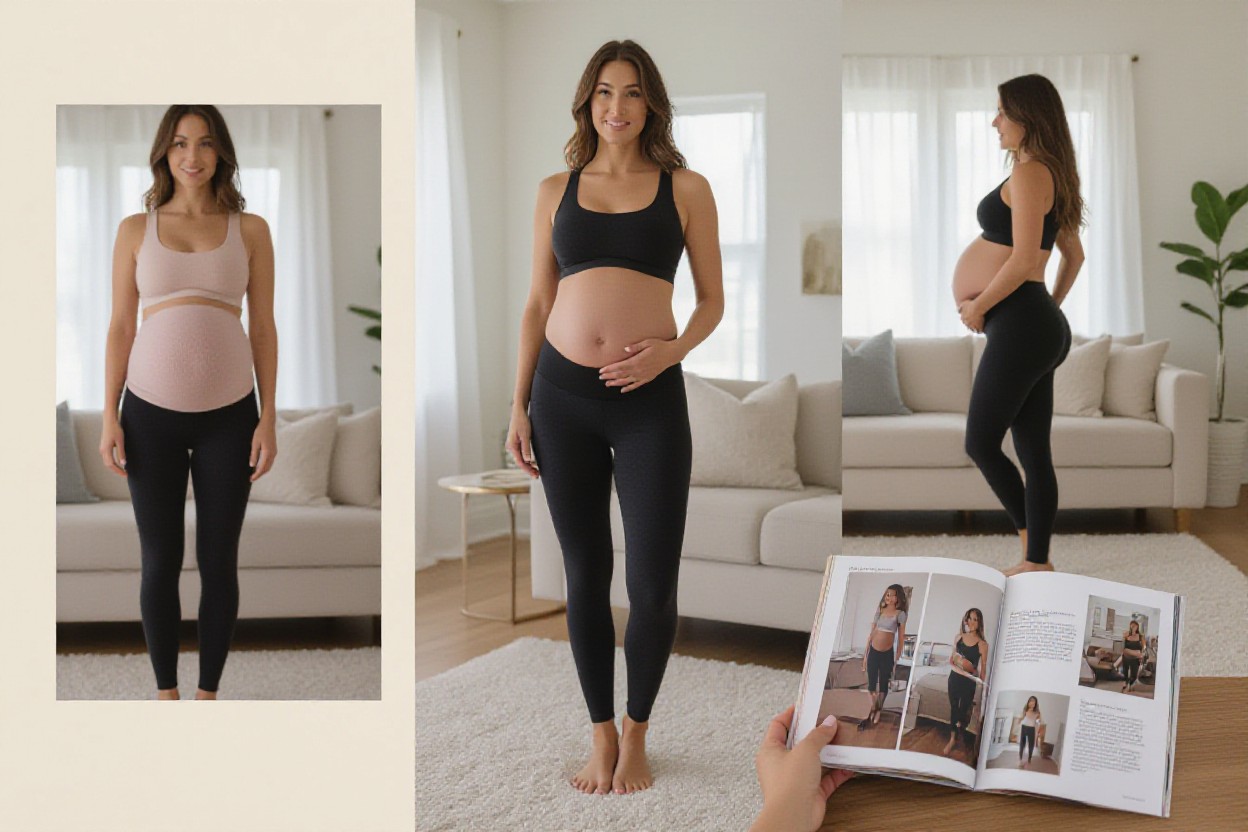
This guide shows why high-waist maternity leggings should be part of your daily wear to help you stay active: they give targeted lift and compression to ease lower-back and sciatic strain, stabilize the pelvis to reduce SPD and PGP, and limit swelling with graduated compression. For busy parents, pick leggings with non-sheer high-rise panels • seamless construction • medical-grade options when needed to improve posture, comfort, and mobility.
Types of High-Waist Maternity Leggings
You’ll find several distinct styles of high-waist maternity leggings designed for different needs—everyday comfort, workout support, or medical-grade relief. Look for features like an over-the-bump support panel that reaches your bra line, graduated compression in the lower leg, or reinforced hip zones for pelvic stability. Practical choices include seamless daily pairs, firm-support panels for back pain relief, and breathable active fabrics that wick sweat during exercise. This
- Over-the-bump support
- Seamless everyday
- Graduated compression
- Active/performance
- Postpartum recovery
| Type | Key features / Best for |
| Over-the-bump support | High panel to bra line, varied tension zones, designed to lift belly and reduce lower back strain |
| Seamless everyday | Soft nylon/spandex blends, non-chafing, best for all-day wear and smooth silhouette |
| Graduated compression | Tighter at ankle, looser toward thigh, helps reduce edema and leg swelling; medical options 15–20 mmHg |
| Active / Performance | Moisture-wicking, reinforced hips, ideal for prenatal workouts and supporting the pelvis during movement |
| Postpartum recovery | Higher compression around lower abdomen and pelvis to support healing and restore posture after birth |
Support Panels
Your best supportive leggings use an over-the-bump support panel that extends up to the bra line and employs varied tension zones; these zones create a sling effect that lifts belly mass up and inward, transferring weight off your lumbar muscles and reducing pronounced sway, while reinforced knitting around the hips eases pelvic instability and can reduce symptoms of SPD/PGP.
Compression Options
You can choose light, firm, or medical-grade compression depending on symptoms: light compression for circulation, firm for daily back support, and medical 15–20 mmHg for significant swelling or varicose veins—always match compression level to your activity and any clinician advice.
This level breakdown helps you pick leggings by function: aim for seamless, non-sheer fabrics for daily wear; choose reinforced hip panels plus firm abdominal tension for lumbar relief; select true graduated compression if you spend long hours standing or have notable edema, and consult your provider before using 15–20 mmHg medical-grade options to ensure safe, effective support during pregnancy.
Tips for Choosing the Right Leggings
Choose a pair that balances support and breathability: prioritize a true high-waist maternity legging with an engineered support panel reaching under your bust, and opt for blends that keep recovery while staying opaque. Check for non-sheer stretch at full extension and flat seams to prevent chafing. Verify graduated compression (15–20 mmHg) if swelling is present, and always use the brand’s size chart. Thou prioritize a fit that supports posture without cutting circulation.
- High-waist maternity leggings
- Support panel
- Graduated compression (15–20 mmHg)
- Non-sheer fabric
- Seamless construction
Fabric Considerations
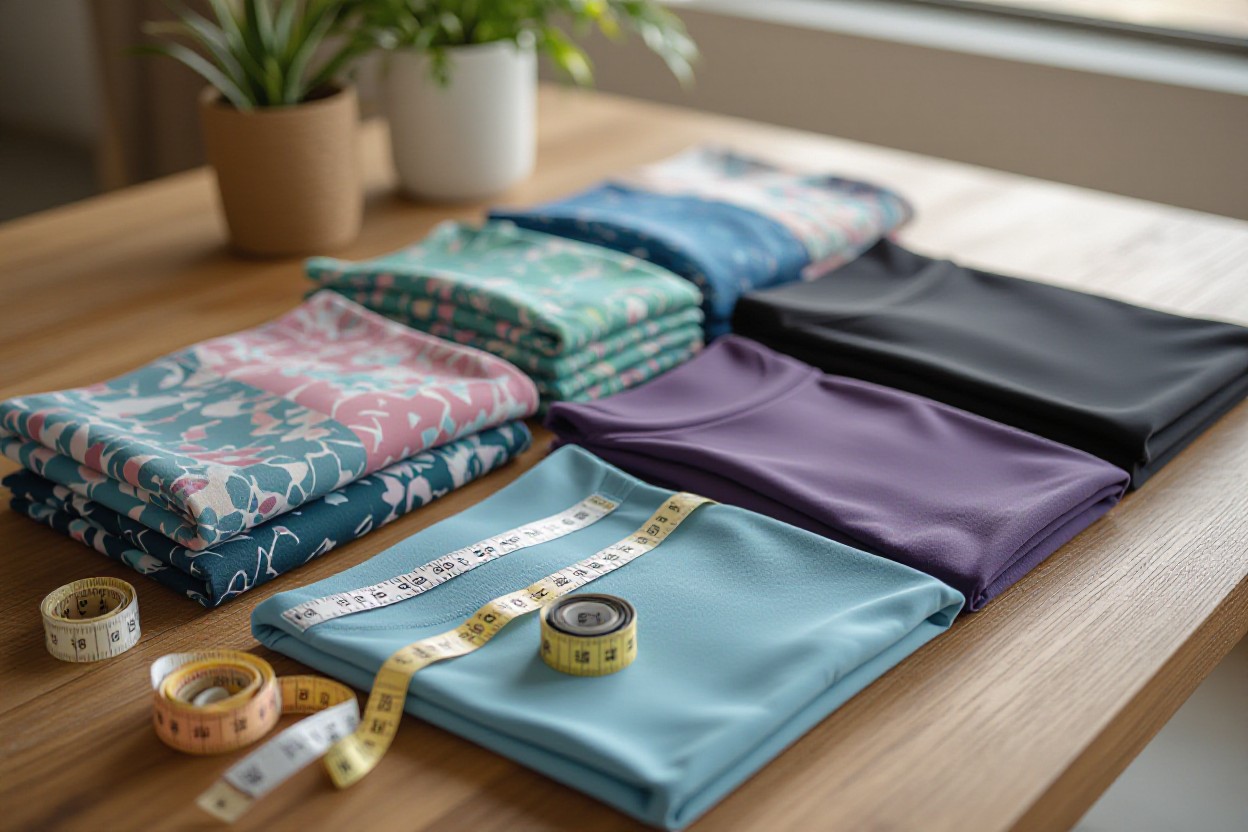
Seek blends like 70–80% nylon/polyester + 20–30% elastane for snap-back and firm support; look for fabric weight around 220–300 gsm to stay opaque and hold tension. Prefer moisture-wicking finishes and flatlock seams to reduce irritation. Avoid lightweight knits that become sheer at 30–40% stretch, since that indicates insufficient compression and support.
Fit and Size Recommendations
Measure hips and the fullest belly point, then match those numbers to the brand chart. If you’re between sizes, size up one to prevent the panel from folding. Many pregnant shoppers move one size larger between weeks 20–28. Steer clear of leggings that pinch at the thigh or ankle, as they can affect circulation.
Measure standing relaxed: tape your hips at the widest point and your belly across the navel, then compare to brand ranges. For example, if a chart lists M = 92–98 cm hips and L = 98–104 cm, a 99 cm hip should pick L to avoid digging. Ensure the over‑bump panel sits under your bust—panels 20–25 cm high typically reach that line—and raise your arms to test roll-up. If you need medical compression, follow clinical sizing tied to mmHg (15–20 mmHg) and consult your provider.
Step-by-Step Guide to Wearing Maternity Leggings
Start with the right size and a true over-the-bump panel; when you put them on, aim to get the panel up to your bra line so the engineered tension zones can work. Pull evenly, smooth seams, then check that compression feels supportive but not restrictive—if you feel numbness or pins-and-needles, adjust or size up. Use daily for activity or long shifts, swap to medical-grade (15–20 mmHg) only with provider guidance.
| Choose the right size | Pick a size that fits hips and thighs snugly but lets you breathe; the panel should sit under your bust without rolling. |
| Step in carefully | Gather the leg, slide your foot through, and pull up slowly to avoid overstretching the fabric; this preserves the panel’s tension zones. |
| Position the support panel | Lift the panel up to just below your bra line so the sling effect shifts belly weight off your lower back and hips. |
| Smooth and align | Flatten any folds, center reinforced hip areas over your sacrum, and check that seams aren’t digging in—seamless designs reduce chafing. |
| Test comfort and function | Walk, sit, and squat; you should feel improved posture and gentle hip stability without pain. If swelling is severe, consider graduated compression or medical-grade options. |
| Care for longevity | Wash cold, air-dry, and avoid fabric softener to preserve compression; proper care keeps non-sheer, high-tension fabric effective longer. |
How to Style with Outfits
You can pair high-waist maternity leggings with an oversized sweater, longline tunic, or an empire-waist dress to hide the panel while keeping support visible under thin layers; pair with ankle boots or supportive sneakers for daily walks. For work, layer a blazer and long blouse to maintain a streamlined silhouette while the over-the-bust panel does the mechanical support.
Best Times to Wear
Wear them during long standing shifts (8–12 hours), flights over 3 hours, extended walks, prenatal exercise, or when SPD/sciatica flares—those situations benefit most from the lift, posture aid, and graduated compression.
In more detail: start regular use in the second trimester as your belly grows, and increase wear in the third trimester when lumbar strain and edema peak. Use them for chores, commuting, prenatal classes, and travel; if you have diagnosed varicose veins or severe swelling, discuss 15–20 mmHg medical-grade compression with your provider. Avoid wearing overly tight garments for more than 12–14 hours straight; if you notice numbness, pins-and-needles, or increased pain, remove them and consult your clinician.
Factors to Consider When Buying
You should focus on fit, fabric, and functional features that deliver real support: look for a true high-waist panel reaching your bra line, a support panel with varied tension zones, and graduated compression when swelling is present. Prioritize non-sheer, high-GSM blends (nylon/spandex or polyester/spandex) and seamless construction to avoid chafing. Compare return policies and verified reviews. After you confirm fit and compression, check brand testing and warranty details.
- Fit & sizing — sized for bump growth and hip stability
- Support panel — extends to under-bust with varied tension
- Fabric & opacity — high GSM, non-sheer blends
- Compression — graduated or medical-grade (15–20 mmHg if prescribed)
- Construction — seamless or flat seams to prevent digging
- Care & returns — 30-day returns and clear washing instructions
Price Range
You’ll find maternity leggings from about $25 up to $150+. Expect basic pairs under $40 with minimal paneling, mid-range options around $40–$80 that usually deliver true high-waist panels and thicker fabric, and premium models above $80 offering medical-grade compression, eco fabrics, or reinforced hip zones. Balance cost with features you need most and buy at least two pairs for rotation and laundering.
Brand Reputation
Check if a brand publishes compression specs, fabric GSM, and independent testing results; brands that cite 15–20 mmHg when appropriate or show clinical partnerships earn extra trust. Scan verified customer reviews for long-term wear reports—look for consistent feedback on panel durability and true-to-size fit before you commit.
Dig deeper into a brand’s history: prefer companies with a clear size range, transparent materials (OEKO‑TEX or similar), and a minimum 30-day return or warranty window. Note if they offer postpartum guidance or clinical endorsements from physiotherapists—those signals often mean the leggings were developed with pelvic support and long-term comfort in mind.
Pros of High-Waist Maternity Leggings
Comfort and Support
You can feel immediate relief from an over-the-bump panel that extends to your bra line and uses varied tension zones to act like a vertical sling. By lifting and redistributing weight it reduces lumbar strain and can ease sciatica; many designs include graduated compression (often 15–20 mmHg) to limit leg swelling. Reinforced knit around the hips and sacrum stabilizes pelvic joints, helping symptoms of SPD/PGP while you stay mobile and active.
Versatility in Fashion
You’ll wear these leggings to yoga, commuting, and weekend errands because they pair with tunics, blazers, dresses, and long sweaters. Dark neutrals function as a pant replacement for work while prints and textured knits elevate casual looks. Many mums keep the same pair through pregnancy and postpartum, using them from roughly 12 weeks to several months after birth for nursing-friendly comfort and continued support.
Choose blends like 85–90% nylon/10–15% spandex for opacity and stretch retention; seamless construction prevents chafing and keeps lines smooth under fitted tops. You should machine wash cold on gentle and air dry to preserve compression. For a polished capsule, pick one black, one navy, and one patterned pair—this gives you 7–10 outfit combinations with basic tops and shoes, simplifying dressing on busy days.
Cons of High-Waist Maternity Leggings
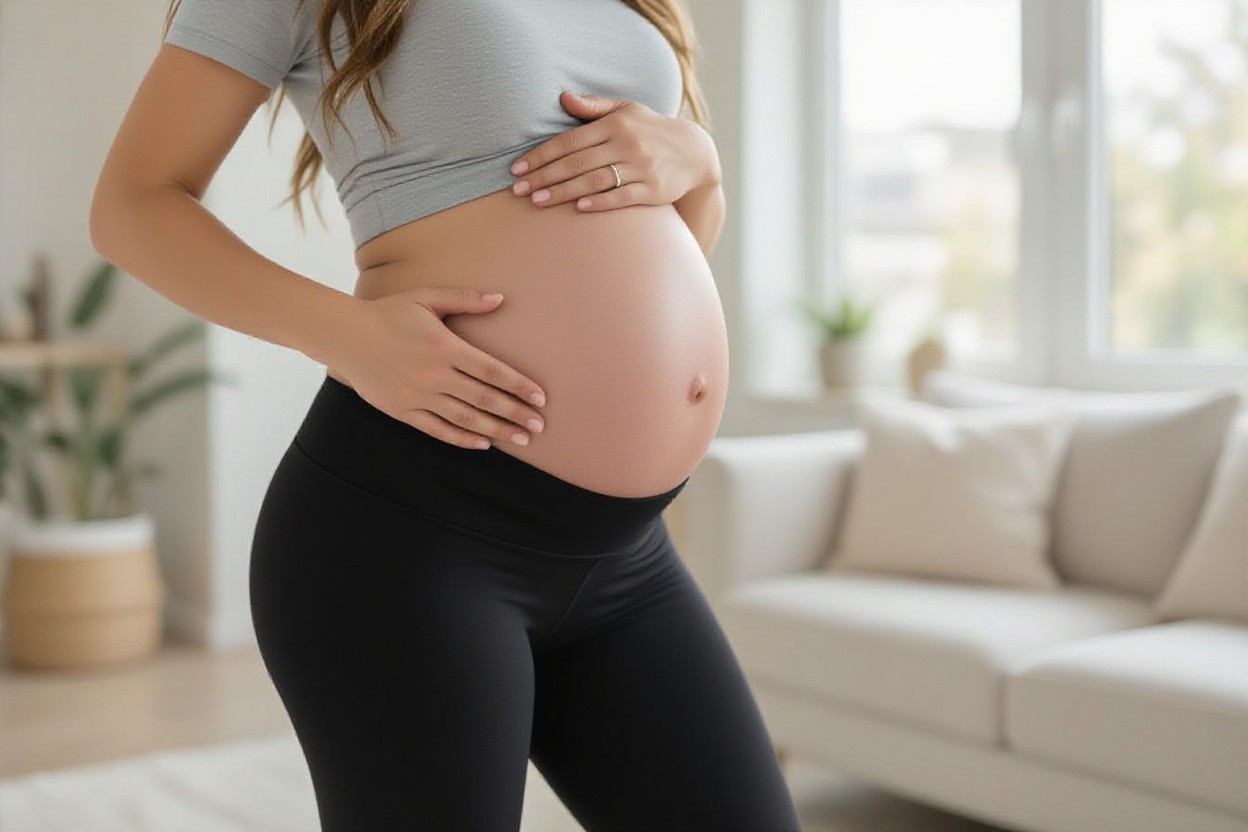
You get targeted support, but a few real drawbacks matter: bulky panels can trap heat and increase sweating, very firm compression may feel restrictive or cause numbness for some, seams or bands can chafe sensitive skin, and many pairs lose their fit once your body returns toward pre-pregnancy shape — leaving you with a garment that’s useful for months, not years. You should weigh these trade-offs against the documented benefits before buying multiple expensive pairs.
Potential for Overheating
Pregnancy raises your baseline temperature (progesterone increases resting temp by ~0.3–0.5°C) and blood volume by roughly 40–50%, so thick, non-breathable panels can amplify heat and sweating. You may notice more skin irritation, yeast-prone moisture, or dizziness in warm environments when a heavy over‑bump panel traps heat. Look for moisture‑wicking blends and mesh zones if you routinely get hot; otherwise the extra support can feel like a thermal burden on long days.
Limited Lifecycle Post-Pregnancy
Many maternity leggings are engineered for the expanded abdomen and rely on stretched elastic that often doesn’t fully rebound after months of wear; as a result, you might find them ill-fitting within 2–6 months postpartum. That means a purchase that served you daily during pregnancy can quickly become a closet item once your belly shrinks and body proportions change.
More specifically, elastic fibers (spandex/elastane) lose recovery with repeated stretching and washing, so a maternity panel that provided firm lift at 30–36 weeks may sag after continual use. If you want longer value, seek leggings with adjustable panels, reinforced knit around the waist, or detachable over‑bump panels; otherwise plan to transition to regular leggings or invest in one high‑quality support pair rather than several low-cost options.
To wrap up
Now you can see why high-waist maternity leggings go beyond comfort: they give support, lift, and gentle stability so your lower back, hips, and pelvic floor work less hard. You get better posture, less swelling, and fewer sharp ligament pains, all in a seamless, high-waist design you can wear daily. Choose quality fabric and true over-the-bump panels, and let your leggings be an everyday tool that helps you move, rest, and feel more capable during pregnancy.